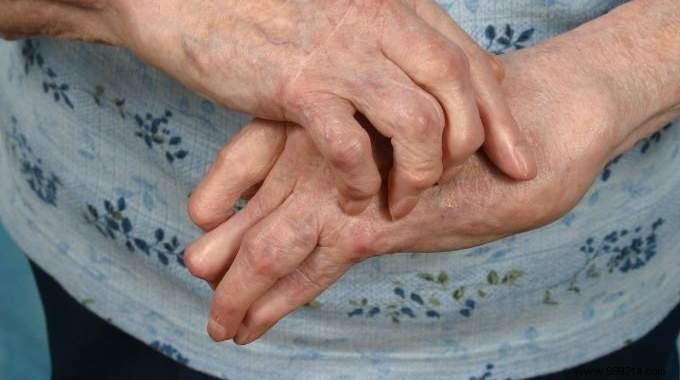
Thalassotherapy treatments are highly effective for joint issues, combining seawater's healing properties with relaxing therapies to alleviate rheumatism and osteoarthritis symptoms.
As we age, joint cartilage naturally wears down, leading to osteoarthritis—a painful form of rheumatism characterized by stiffness and restricted movement.
Thalassotherapy's anti-osteoarthritis and anti-rheumatism programs offer a superior alternative to surgery or costly medications.
While not a miracle cure, these treatments significantly reduce pain and equip patients with daily habits to manage symptoms long-term.
In essence, they can prevent full disease progression or safeguard joints from premature decline.
Marine elements in thalassotherapy work synergistically to ease joint and muscle discomfort.
Seawater's buoyancy supports effortless movement, helping to unload joint stress.
Rich in mineral salts like calcium and trace elements, seawater relaxes muscles, curbs inflammation, and bolsters cartilage integrity.
Skin contact alone allows potassium, magnesium, and calcium to penetrate pores, promoting swift benefits.
These minerals enhance blood circulation and boost cellular regeneration. Seaside air fosters deep relaxation and renewal.
Paired with sunlight, the marine climate effectively combats stress and tension, while iodine provides vitalizing, revitalizing effects.
- Heated pool exercises, relaxation sessions, or ultrasound therapy improve mobility and fortify affected joints.
- Seaweed wraps deliver anti-inflammatory relief, diminishing pain in osteoarthritis cases.
- High-pressure jet baths massage and flex rigid muscles.
- Additional options include seaweed body wraps, therapeutic massages, hydromassage baths, hammams, and affusion showers.
Overall, these water-based treatments, massages, and applications invigorate blood and lymphatic circulation, easing heavy leg sensations.
- Always begin with a medical consultation before starting.
- Maintain a healthy weight to minimize mechanical strain on joints and prevent premature wear.
- Engage in low-impact sports like swimming regularly to build muscle support and protect joints.
- Schedule cures preventively, avoiding acute flare-ups.
