Confused about osteoarthritis and arthritis? These two joint conditions are often mixed up, as both cause pain in areas like the hands, elbows, fingers, knees, ankles, and feet. They belong to the rheumatism family, but their differences are crucial for proper diagnosis and management. As experienced rheumatology specialists, we'll break down the distinctions to help you understand them clearly.
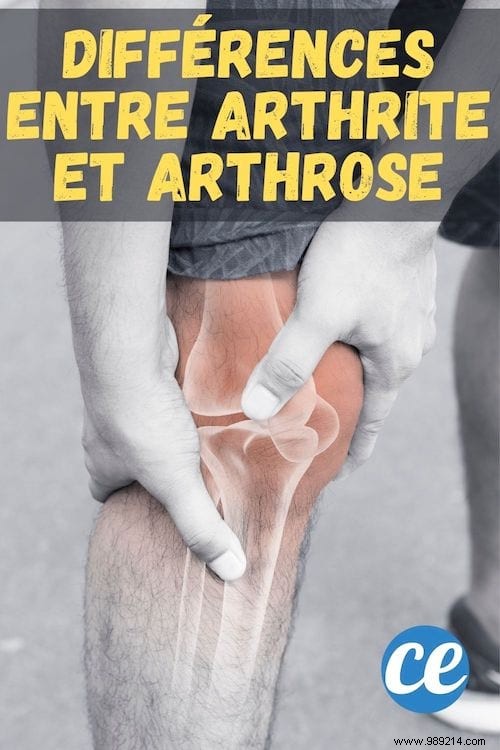
Joint pain is common to both, but symptoms differ significantly.
While both are rheumatic conditions, their origins vary.
Arthritis involves joint inflammation, leading to destructive secretions. Triggers include genetics, infections (septic arthritis), metabolic issues (gout), immune disorders (rheumatoid arthritis), or chemical imbalances. It can affect any age, including juvenile cases, but commonly appears around 50.
Osteoarthritis is mechanical wear on joint cartilage, causing bones to rub together during movement. Primary cause: aging. However, it affects younger people too—one in three patients under 40—due to intense sports, repeated trauma, obesity, overweight, or demanding professions stressing joints like elbows, wrists, and fingers.
The pain sources differ anatomically.
The synovial membrane lining the joint produces lubricating fluid. Inflammation causes excess fluid, swelling, and enzyme release that erodes cartilage, bone, and tendons.
Cartilage acts as a shock absorber. When damaged (mechanically or genetically), it fails to cushion joints, leading to friction, pain, stiffness, and bone deformation during movement.
Diagnosis starts with a clinical exam and blood tests to differentiate the conditions.
Treatment targets the cause: antibiotics for infections, biotherapies for immune issues, or metabolic management for gout. Natural options, backed by traditional use, include anti-inflammatory diets (avoid triggers, favor beneficial foods), ginger drinks, green tea, turmeric, acai berries, and massages with 70° alcohol, coconut oil, castor oil, monkey balm, oregano or frankincense essential oils, or apple cider vinegar remedies.
Address root causes: weight loss, low-impact exercise like walking, or surgery for anatomical issues. Medications include analgesics, anti-inflammatories, anti-osteoarthritis drugs, and hyaluronic acid injections. Prostheses are a last resort. Natural supports like magnesium chloride cures (for bone/joint strength) and select home remedies can aid relief.
Clear on osteoarthritis vs. arthritis now? Share your thoughts or experiences in the comments—we'd love to hear from you!
