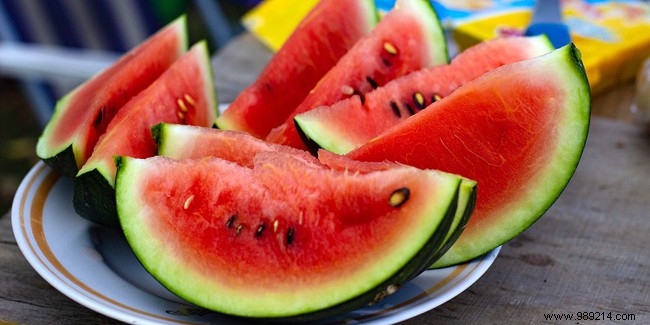
As summer heats up, staying hydrated, healthy, and weight-conscious is key. Watermelon delivers on all fronts—refreshing, low-calorie, and nutrient-dense. Backed by nutritional science, here's a deep dive into its remarkable health benefits.
Watermelon flesh varies in color—red, yellow, pink, or white—and is loaded with:
These elements help shield against various diseases and promote overall wellness.
Watermelon's low calorie count makes it perfect for weight management. Per 100 grams of flesh:
It's also rich in vitamins B5, B6, magnesium, and copper.
Extensive research shows that fruits and vegetables like watermelon lower risks of certain cancers, chronic conditions, and cardiovascular disease, thanks to their antioxidants.
Watermelon is a top source of lycopene, a carotenoid with cholesterol-lowering and potent antioxidant properties. It combats inflammation and may prevent prostate cancer and cardiovascular issues.
While optimal daily intake isn't fully established, half a cup of watermelon matches a medium tomato's lycopene. Note: unlike other carotenoids, lycopene doesn't convert to vitamin A.
Watermelon is abundant in citrulline, an amino acid that converts to arginine in the body. Arginine supports immune function, cardiovascular health, and blood vessel integrity. Orange-fleshed varieties offer the highest amounts.
To preserve lycopene, cut watermelon into pieces and eat within the first four days, storing the rest chilled. After that, levels drop by 6-11%.
Selecting a ripe watermelon takes practice, but look for ones heavy for their size with shiny skin. A yellowish patch signals ripeness, not spoilage.
To retain vitamins and nutrients, store whole watermelons between 15°C and 20°C for up to 10 days if not overly ripe. A cool cellar is ideal. For longer storage, cube or slice and freeze, or juice and freeze.
Seedless watermelons have been available for 80 years, but seeded ones pack extra value—seeds are rich in lipids, proteins, and carbohydrates. In places like India, seed flour makes bread; Asians roast and salt them; others extract oil. Consider roasting seeds for added benefits.
Watermelon suits most people, but those with allergies may experience reactions. Avoid if you have hyperargininemia. Seek medical advice promptly if allergic symptoms arise.
