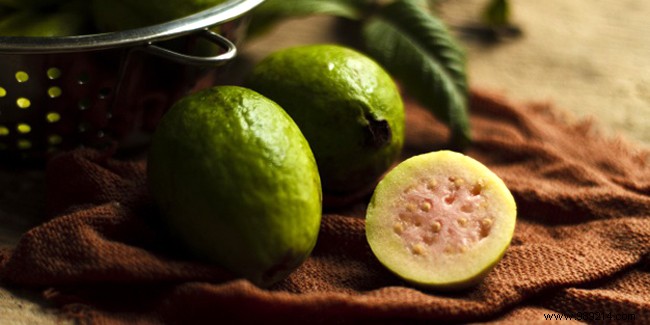
Guava (Psidium guajava), the fruit from the guava tree, is an underrated exotic fruit with a unique flavor blending strawberry and peach notes. Prized for its subtle taste and nutrient density, guava supports both enjoyment and wellness when consumed regularly.
Guava is a nutritional powerhouse, packed with:
At 68 kcal per 100 grams, guava is moderately caloric, making it ideal even on a diet. Its carbohydrates absorb quickly, while 83% water content aids hydration. Plant-based proteins help maintain muscle mass. With potent antioxidant activity, it helps regulate cholesterol and supports cardiovascular health.
In the Philippines, guava is valued for its antiseptic, astringent, and anthelmintic properties, effectively targeting:
Its leaves serve as a natural tooth anesthetic for toothaches and aid healing of superficial wounds. Boil leaves for 15 minutes, strain, and use as a mouthwash. Infusions from leaves and bark help combat:
Rich in quercetin, a powerful antioxidant, guava inhibits sorbitol formation, which can contribute to cataracts with age. It's also loaded with polyphenols, vitamins C, and A, known to curb cancer cell growth and strengthen the immune system.
Guava leaves boast strong astringent effects. Apply the decoction topically for skin lesions or drink it as a diuretic for water retention. It also reduces histamine production during allergies.
Regular guava intake lowers blood pressure, protects the cardiovascular system, and cuts bad cholesterol. A study suggests 400 grams daily—about four fruits—for optimal cholesterol benefits.
Additional Health Benefits
Guava leaves contain high levels of:
These support cancer prevention and eye health.
Did You Know? Very ripe guava acts as a laxative, while unripe guava has the opposite effect.
Guava offers excellent health support but consume in moderation. It may cause digestive issues or allergic reactions (like lip/throat tingling) in some—see a doctor if symptoms arise. Avoid if you have irritable bowel syndrome (IBS). Pregnant women can enjoy it unless allergic.
This tropical gem delivers medicinal properties for everyday health, whether eaten fresh or in recipes. These insights are informational—always consult a healthcare professional for medical concerns.
