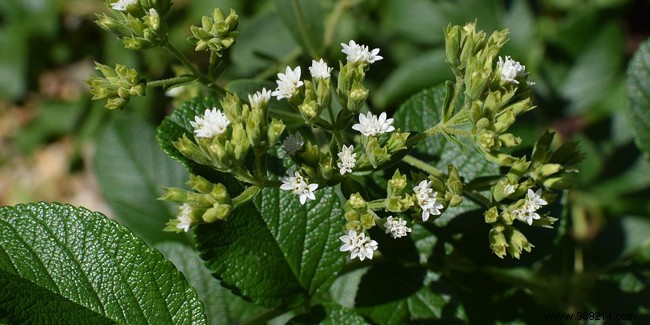
Stevia (Stevia rebaudiana), a plant native to South America, has been used for centuries as a natural sweetener by local communities. It offers 200 to 300 times the sweetness of sugar with zero calories, making it a compelling option for health-conscious individuals.
In 2009, the French Food Safety Agency (AFSSA) endorsed stevia for use in France as a sugar alternative. The European Food Safety Authority (EFSA) followed with a positive opinion in 2010. But is stevia truly a viable sugar substitute? What are its proven health benefits, and are there any risks?
Stevia belongs to the Asteraceae family, alongside plants like tarragon, thistle, and dandelion. This small shrub's leaves are dried and powdered for use as a sugar replacement. The key sweet compounds, steviol glycosides (including stevioside and rebaudioside A), provide its intense sweetness. Unlike sucrose, stevia's sweetness develops more slowly, lingers longer, and may carry a subtle bitter licorice aftertaste that not everyone enjoys.
Stevia is available in two primary forms:
Steviol glycosides remain stable under heat, so stevia works well in cooking, baking, and pastries. In France, it's approved for sweetened beverages. Across Europe, it's authorized in categories like non-alcoholic flavored drinks, beers, ice creams, fruit preparations, jams, chocolates, candies, chewing gum, cereals, desserts, sauces, supplements, and tabletop sweeteners.
Stevia's standout benefit is its zero-calorie profile, unlike traditional sugar. As a natural option, it's ideal for those dieting, managing sugar intake for health reasons, or seeking alternatives to artificial sweeteners—without sacrificing sweetness.
With its potent sweetening power, far less stevia is needed, naturally lowering overall intake. While more research is needed, this can support better glucose tolerance, lower blood sugar levels, and potentially aid in diabetes management. Stevia is also rich in trace elements and vitamins; its potassium content, for instance, helps regulate blood pressure.
Switching to stevia may reduce tooth decay by limiting consumption volume and inhibiting bacterial growth.
Though derived from a plant, stevia's processing can involve chemicals, and bulking agents or additives may not always be natural. Thus, its '100% natural' status warrants scrutiny. Like other sweeteners, long-term safety isn't fully proven, so moderation is key.
Those allergic to Asteraceae plants, as well as pregnant or breastfeeding women, should avoid it or consult a healthcare professional.
