Breast cancer is the most common cancer among women, with 80% of cases occurring after age 50, according to the National Cancer Institute. Public health authorities therefore recommend and organize regular screening starting at this age. Women aged 50 and older are invited for a mammogram and clinical breast exam every two years through this national program. Learn what this involves and up to what age it's advised.
Though not mandatory, all asymptomatic women aged 50 to 74 without elevated risk factors are encouraged to participate every two years, as breast cancer risk rises with age. Early detection leads to a cure rate of 9 out of 10 cases. Launched by public authorities in 2004, this program targets average-risk women. High-risk individuals of any age—with family history or genetic factors—receive specialized monitoring outside this initiative.
The 50-year threshold aligns with National Cancer Institute data showing 80% of cases post-50. Routine screening before 50 isn't advised for average-risk women, but regular clinical breast exams by a healthcare professional are recommended from age 25.
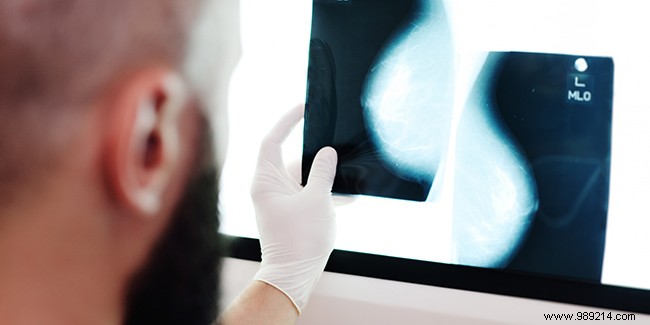
The program includes a mammogram and exam by a certified radiologist, with a second independent radiologist review for accuracy. These services are fully covered by health insurance with no upfront costs.
Systematic invitations stop at 74, as studies indicate reduced benefits beyond this age compared to 50-74.
Post-74 decisions should involve your doctor, particularly for those with high risk from personal or family history (e.g., breast, uterine, or endometrial cancer) or genetics. High-risk women receive tailored follow-up regardless of age.
Every woman's risk profile is unique. General practitioners or gynecologists assess and recommend personalized screening—potentially continuing mammograms, ultrasounds, or MRIs—after 74 for at-risk individuals.
