Feeling unusually tired, anxious, or quickly exhausted? It might not just be stress or lack of sleep—it could signal low iron levels.
Behind these symptoms may lurk an iron deficiency, potentially leading to anemia. As someone who battled iron deficiency for years before identifying it with my naturopath's guidance, I can attest to how subtle these signs can be.
Here are 9 unmistakable indicators of iron deficiency, backed by research, plus practical tips to resolve them.
Iron deficiency arises when your body lacks sufficient iron to produce hemoglobin, the protein in red blood cells that transports oxygen through your bloodstream.
Without enough hemoglobin, your tissues and muscles receive inadequate oxygen, which can progress to anemia—a common global condition.
Recognizing the signs early is crucial. Here are 9 key ones:
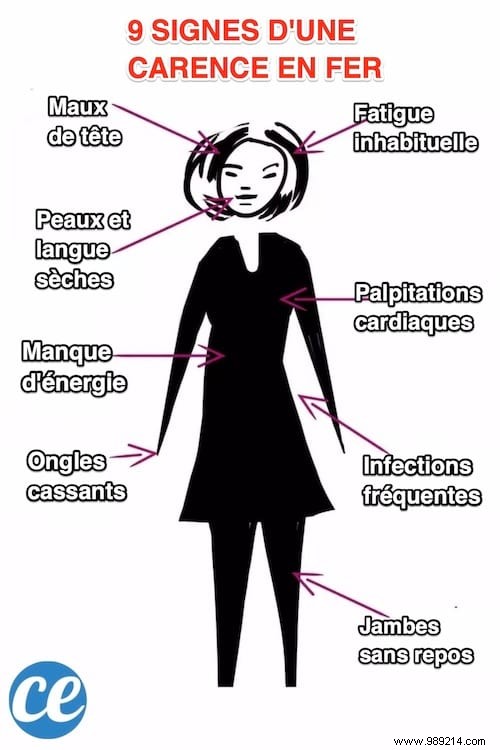
Persistent fatigue is among the top symptoms of iron deficiency anemia. With insufficient iron, hemoglobin production drops, limiting oxygen delivery to muscles and tissues.
Your heart works harder to compensate, leaving you drained. Research confirms this link, noting associated irritability, migraines, and concentration issues.
While fatigue is common in busy lives, when paired with other signs, it warrants checking iron levels.
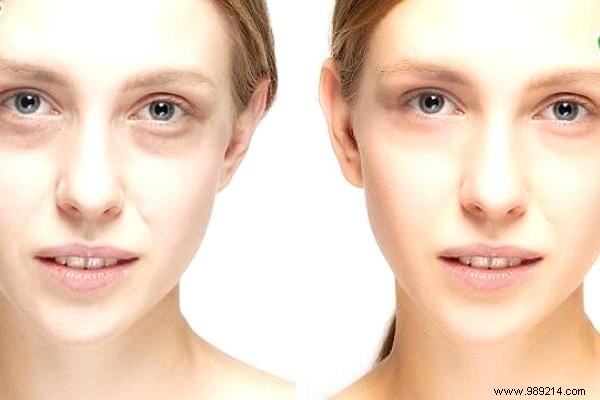
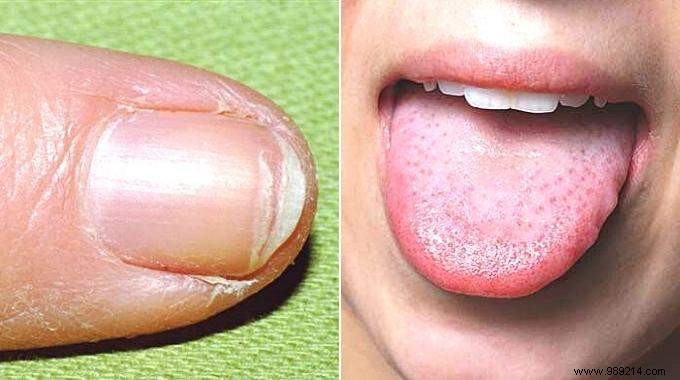
Pale skin is a classic indicator. Hemoglobin gives blood its red hue; low levels reduce skin color and warmth.
Studies explain this well. Check inside your lower eyelids: bright red is normal; pale pink or yellow suggests deficiency, especially noticeable in darker skin tones.
Pallor may affect the face, gums, lips, or nails.
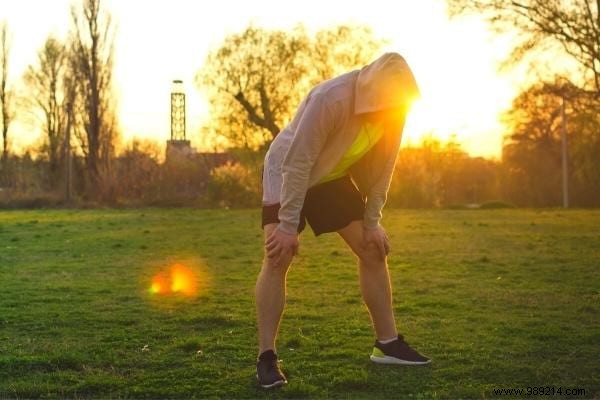
Low hemoglobin means muscles, even during light activity like walking, lack oxygen. Your breathing rate increases to compensate, as research highlights.
If stairs or walks suddenly leave you breathless, iron deficiency could be the culprit.
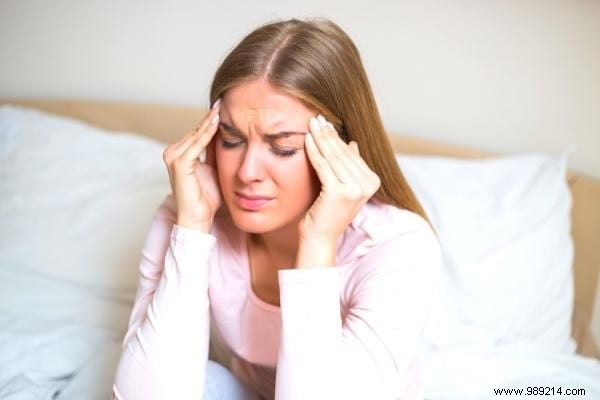
Iron deficiency often triggers headaches, particularly in women during menstruation. Studies link it to dopamine and estrogen fluctuations, frequently with tired eyes.
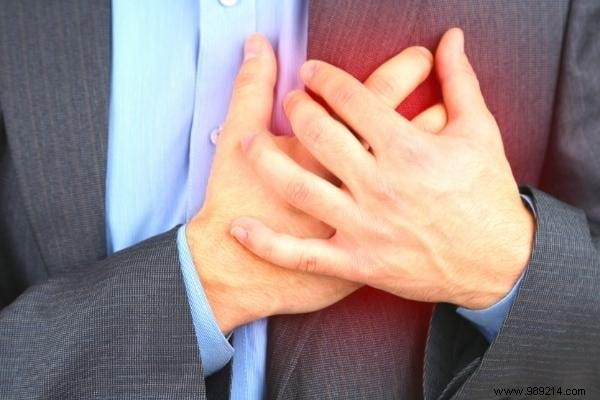
The heart beats faster or irregularly to pump oxygen-poor blood. Research shows this can exacerbate heart conditions like failure or coronary disease.
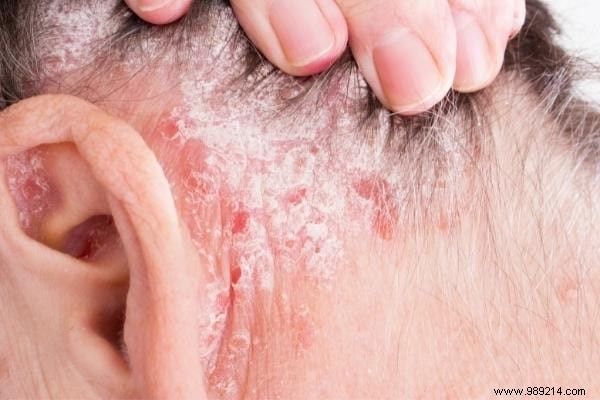
Oxygen-starved skin and hair become dry and brittle. Low iron may even cause excessive hair loss, per some studies.
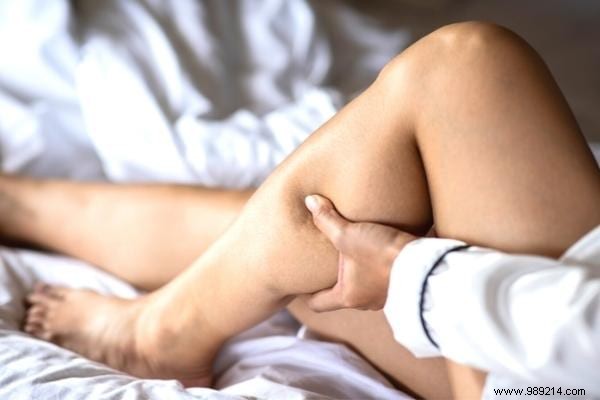
Research ties iron deficiency to restless legs syndrome (RLS), causing an irresistible urge to move legs at rest, often with itching—worse at night. Those with anemia are 6 times more likely to experience it.
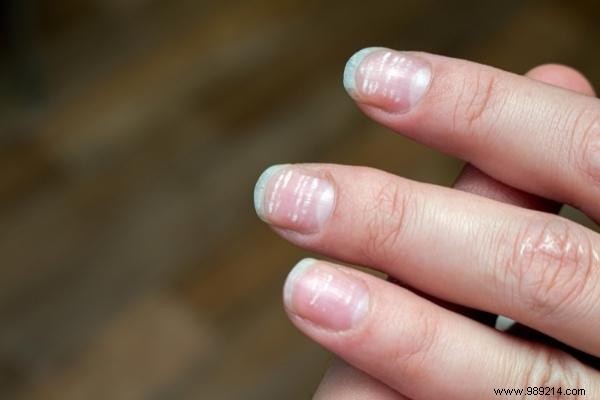
Koilonychia—spoon-shaped, fragile nails—signals severe deficiency, affecting about 5% of cases, according to studies.
Less common symptoms include:
Pica: Cravings for ice, clay, or dirt—common in pregnancy.
Depression or anxiety: Linked in adults and pregnant individuals.
Cold hands/feet: From poor circulation.
Frequent infections: Due to weakened immunity.
Reduced appetite: From altered ghrelin levels.
The most prevalent nutritional deficiency worldwide in infants and teens. Symptoms: fatigue, paleness, irritability, dizziness. Chronic cases add dry mouth, inflamed lips, hair loss, glossy tongue. Severe: ADHD or RLS.
Common symptoms: fatigue, shortness of breath, chest pain, edema. Often compounded by ulcers, cancer, or kidney disease.
Consult a doctor for blood tests. Treatment restores hemoglobin and iron stores via diet or supplements—no hospitalization needed for mild cases.
Heme (animal, 15-35% absorbed) and non-heme (plants, 2-20%). Include:
Supplements only on doctor's advice—watch for GI side effects. Pair with vitamin C (peppers, citrus, berries); avoid calcium, high-fiber foods, tea/coffee.
Poor diet, IBD/celiac, pregnancy, heavy periods, or bleeding.
What signs tipped you off to low iron? Share in the comments!
