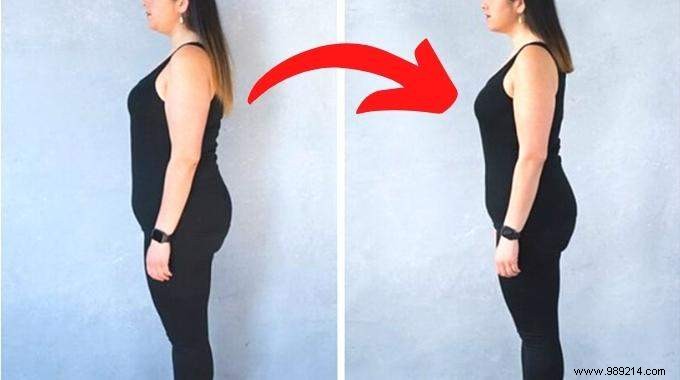
In France, sugar consumption is alarming: the average person eats the equivalent of 110 sugar cubes per week, totaling about 35 kg annually. That's staggering!
Why do we consume so much? Sugar is ubiquitous as a common additive, and it's highly addictive—many of us are hooked without realizing it. Quitting isn't easy, but it's achievable. I took on a 30-day no-sugar challenge and succeeded. Here are the 15 key changes I experienced. Read on:

Sugar begets more sugar cravings. When you eat it, insulin surges to lower blood sugar, often causing hypoglycemia—a sharp drop that triggers intense hunger for sweets. Breaking the cycle by eliminating sugar, my cravings vanished within days.
Quitting sugar curbs constant hunger by stabilizing blood sugar levels (glycemia). This allows your body to nourish cells properly. Excess sugar promotes insulin resistance, where the body rejects it to protect itself, impairing nutrient absorption. Without sugar, energy and nutrient uptake improve significantly.
I noticed less stress and a calmer demeanor—friends even commented I was nicer. Sugar harms brain health: studies show high-fructose foods impair memory (Source 1), and excess sugar damages the frontal cortex, leading to cognitive issues (Source 2). Cutting it sharpened my mental clarity. Related: 6 Effective Tricks to Boost Memory and Concentration.
Excess sugar spikes blood sugar, fostering insulin resistance that burdens the liver, pancreas, and more—a key driver of type 2 diabetes. Simply cutting sugar helps prevent this serious condition. Related: The Natural Diabetes Cure Scientists Now Approve.

Less sugar means fewer calories. I dropped 7.2 kg in 30 days. Sugar tricks the brain into false hunger and fuels addiction, creating a vicious cycle. Ditching it makes weight loss far easier, regardless of your starting point. Related: 20 ZERO Calorie Foods To Help You Lose Weight.
The short-term pleasure from sweets fades, but long-term, sugar raises depression risk. Studies link high-sugar diets to brain dysfunction and higher depression rates in both women (Source 3) and men consuming over 67g daily (Source 4). Post-challenge, I felt happier and more balanced. Related: 20 Things to NEVER Forget When Loving Someone With Depression.
Sugar exacerbates acne (Source 5). My skin, previously breakout-prone, cleared up after switching to whole, nutrient-rich foods and drinking 1.5+ liters of water daily. Related: Skin Imperfections: Discover Our 10 Natural Treatments.

Sugar triggers inflammation, weakening immunity—white blood cells lose 50% effectiveness for up to 5 hours post-consumption (Source 6). I stayed cold-free all winter. Related: 11 Foods To Strengthen Your Immune System and Improve Your Health.
Sugar causes , damaging collagen and elasticity, plus chronic inflammation accelerates wrinkles. A sugar-free diet promotes youthful skin. Related: Anti-Aging Serum: The Super Effective Recipe Against Wrinkles Around The Eyes.
Sugar feeds odor-causing bacteria. Within two weeks, my breath improved noticeably—kisses tasted sweeter! Related: 12 Natural Foods to Stop Bad Breath That You Don't Know About.

Sugar fuels cavity-causing acid from oral bacteria (Source 7). Less sugar means stronger enamel—pair with twice-daily brushing and flossing. Related: Coconut Oil For Teeth: 4 Amazing Benefits Nobody Knows.
Cutting sugar lowers risks of hypertension, obesity, and diabetes—top heart disease factors. It also prevents vessel damage that invites cholesterol buildup.
Sugar disrupts hormones: spikes insulin, lowers libido, and in men, risks erectile dysfunction. Within 10 days, my drive returned. Related: 8 Things That Happen To Your Body When You Stop Having Sex. Number 3 Is Very Scary!
Sugar rollercoasters tire the brain. Stabilized blood sugar kept me energized after meals.

Sugar delays sleep-regulating hormones and creates a cycle with poor rest fueling cravings. Avoid late-night sweets for restorative sleep. Related: Here's Why You Should Sleep on the Left Side (Not the Right Side).

Reduces adrenaline, easing anxiety and depression.
Prevents pimples, wrinkles, and issues like psoriasis.
Linked to reduced rates of breast, ovarian, prostate, and lung cancers.
Enhances white blood cell function against infections.
Avoids hidden sugars in processed foods.
Eliminates crashes from blood sugar dips.
These transformations from my 30-day challenge were profound. Start gradually—try two weeks, then a full month. You'll see benefits firsthand and likely commit long-term.
Have you quit sugar for a month? Share your results in the comments!
