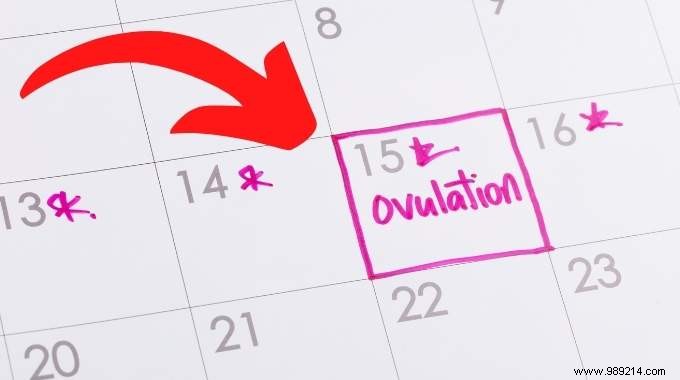
Recognizing ovulation signs helps you track your most fertile days accurately. As experts in women's reproductive health, we rely on time-tested natural indicators like the Billings method and basal body temperature charting.
This fertile window is when conception chances peak. If trying to conceive, prioritize intimacy. If avoiding pregnancy without contraception, abstain during this time.
Discover these 6 proven signs of ovulation below.
Cervical mucus, produced by glands in the cervix, acts as a barrier to sperm outside ovulation. During ovulation, it transforms into abundant, clear, stretchy fluid resembling egg whites—thin and elastic between fingers.
This shift, tracked via the Billings Ovulation Method, signals fertility. Observe daily changes, but distinguish from infections (which cause odor) or routine white discharge.
Basal body temperature (BBT) rises 0.3–0.4°C (0.5–0.7°F) post-ovulation, lasting about 10 days. Track it rigorously each morning upon waking with a precise thermometer at the same time.
Chart your monthly curve to pinpoint ovulation. Night sweats may hint at this subtle shift.
Hormonal surges just before ovulation boost estrogen and testosterone, increasing sexual desire. Nature aligns peak libido with peak fertility to enhance conception odds.
Ovulation hormones cause breast tenderness, fullness, or tightness, similar to premenstrual changes. Self-exams help detect these subtle shifts—and importantly, identify any lumps early for breast health.
Known as mittelschmerz, ovulation pain includes cramps, bloating, or pinching in the lower abdomen, often one-sided. It's milder than menstrual cramps, triggered by egg release from the ovary.
Consult a doctor for severe pain.
The cervix rises, softens, straightens, and opens during ovulation. To check, squat and insert two clean fingers into the vagina; a high, open cervix confirms the fertile phase.
Practice builds familiarity with your body's norms.
Calculate ovulation from your cycle start (first day of last period). Ovulation occurs ~14 days before the next period. Fertile window: 3–4 days before plus 1 day after—typically cycle days 10–15.
Cross-check with physical signs for accuracy.
Every woman's cycle varies by age, health, and contraception use. Symptoms differ; some notice none. Ovulation predictor kits offer precision for conception planning. Always consult a healthcare provider for personalized advice.
