Dehydration sneaks up fast, often without warning—think hot weather, intense workouts, or even daily routines. It strikes when your body lacks enough water to perform essential functions.
Research shows even mild dehydration impairs health, from focus to physical performance. Spotting it early lets you act fast.
Here are 5 clear signs you're dehydrated and need water now:
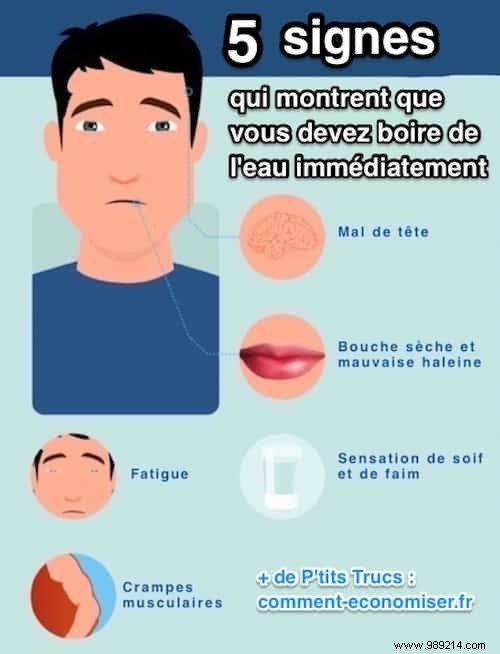
Bad breath is an early red flag. Dehydration reduces saliva production, which naturally fights bacteria in your mouth. Less saliva means bacterial buildup, leading to noticeable halitosis—a reliable warning sign.
Don't assume dehydration only hits when you're sweating profusely. Dry skin is a key symptom, even without visible perspiration. It signals your body isn't getting enough fluids.
This isn't limited to hot climates—symptoms can develop anywhere, including cooler or cold weather where dehydration risks are just as real but subtler.
Severe dehydration heightens muscle cramp risk. Without adequate water, your body struggles to cool muscles under stress or heat, causing cramps and soreness.
Dehydration often triggers cravings for sweets. Organs like the liver, which rely heavily on water to convert glycogen for energy, suffer first. Low water prompts the liver to signal the brain for quick sugar to rebuild reserves.
Next time cravings hit, opt for water-rich foods: cantaloupe, strawberries, watermelon, cucumber, celery, lettuce, zucchini, tomatoes, peppers (up to 90% water), or yogurt.
Your brain floats in protective fluid that cushions it from the skull. Dehydration shrinks this fluid, allowing the brain to press against bone—triggering headaches.
Note: Alcohol, energy drinks, and caffeine (a mild diuretic) can worsen dehydration.
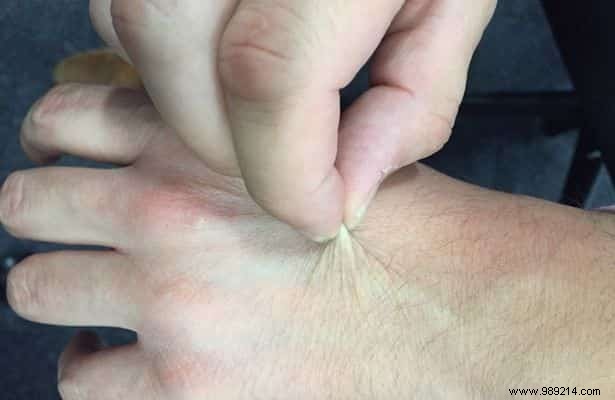
Spotted these signs? Confirm with these quick tests:
Skin Pinch Test. Pinch the skin on your hand's back, lift 0.5-1 cm, and release. It should flatten in seconds. Slow return or creases mean dehydration.
Urine Color Check. Hydrated urine is pale yellow/clear. Dark yellow (3% dehydrated), cloudy (5%), or orange (>5%) signals trouble.
Keep Water Nearby. A bottle at hand encourages sipping. Track intake easily.
Flavor Your Water. Add lemon, mint, fruit juice, or fresh/frozen fruit. Filters improve taste too.
Sip Herbal Tea. Unsweetened varieties like peppermint or chamomile work hot, cold, or iced for variety.
Skip Dry Snacks. Swap chips/crackers for water-packed fruits, veggies (celery, cucumber, tomatoes), yogurt, or smoothies.
Load Up on Veggies. Fill half your plate with produce for water, vitamins, fiber, and minerals.
Hydrate at Meals. Sip during eating to slow down and boost intake.
Room-Temp Drinks. Avoid extremes—ice shocks the stomach, hot strains it. Gurgling means poor absorption; lukewarm absorbs best.
Aim for 2.7 liters daily (women) or 3.7 liters (men), including from food, drinks, fruits/veggies. Adjust for activity, heat, or cold—winter dehydration is common too.
