
Recognizing the signs of vitamin D deficiency is essential, as low levels can significantly impact your bone health, muscle function, and overall well-being. As someone who's consulted with medical professionals on this, I've learned to spot these symptoms early to avoid issues like chronic fatigue, muscle cramps, and dizziness.
Vitamin D plays a vital role in bone strength, muscle performance, and mental health. Here are 9 common signs of vitamin D deficiency:
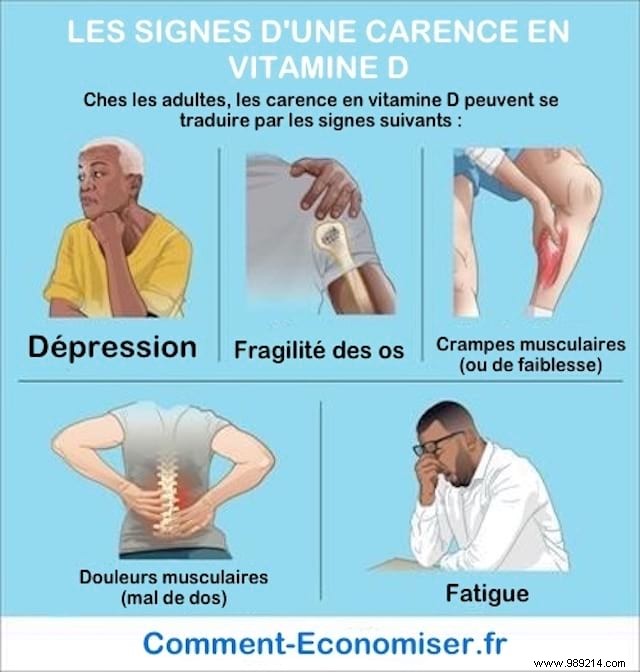

While many associate vitamin D deficiency solely with bone issues, research shows it also causes muscle weakness, especially in older adults. Lower vitamin D levels reduce muscle energy production, leading to cramps and joint pain.
This weakness increases fall risk and fractures in seniors. Severe deficiency can even trigger inflammatory myopathy, causing sharp lower back pain. Persistent muscle discomfort? Vitamin D deficiency could be a factor.

Vitamin D supports immune function and combats fatigue. If you're constantly sluggish, deficiency may be the culprit, as multiple studies link low levels to persistent tiredness and poor sleep quality.
Even with adequate sleep, deficiency leaves you drained. Research on fatigued individuals consistently shows low vitamin D – a reliable indicator.

Studies have found correlations between low vitamin D and depression. This vitamin protects neurons that produce dopamine and serotonin, key mood regulators.
Insufficient stimulation increases depression risk. People with depression often have below-average vitamin D levels, highlighting a clear connection.

Vitamin D enables calcium absorption, essential for bone building. Deficiency heightens risks of osteopenia, osteomalacia, osteoporosis, and rickets.
Bones weaken, deform, and fracture easily, especially in the elderly. Morning joint stiffness and pain are common signs of softened bones.

While many factors contribute to erectile dysfunction, studies link severe cases to low vitamin D. Affected men often have significantly reduced levels and related cardiovascular issues.
Researchers note a 30% higher impotence risk in deficient men, though more causal research is needed.

Low vitamin D impairs insulin regulation, sparking sugar cravings and weight gain. Overweight individuals frequently show deficient levels, and correcting this supports fat loss.

Deficiency weakens immunity, making you prone to colds, flu, and infections. Supplementing speeds recovery and builds resilience.

Beyond typical causes, low vitamin D contributes to alopecia by weakening follicles and increasing scalp sebum, creating a cycle of damage from over-washing and styling.

Vitamin D promotes skin barrier health and wound healing. Deficiency links to eczema, psoriasis, and vitiligo. Monitor levels alongside medical advice for irritations.

Address deficiency naturally: Get 15-20 minutes of daily sun exposure. Eat vitamin D-rich foods like fatty fish and fortified products. Supplements help but follow dosage guidelines and get a blood test first – consult your doctor.

Sun-derived vitamin D supports bone metabolism, muscle function, immunity, and vascular health. It acts as a well-being hormone, reducing fatigue and stress. Deficiency underlies many issues – most people don't realize they're low until symptoms appear.
