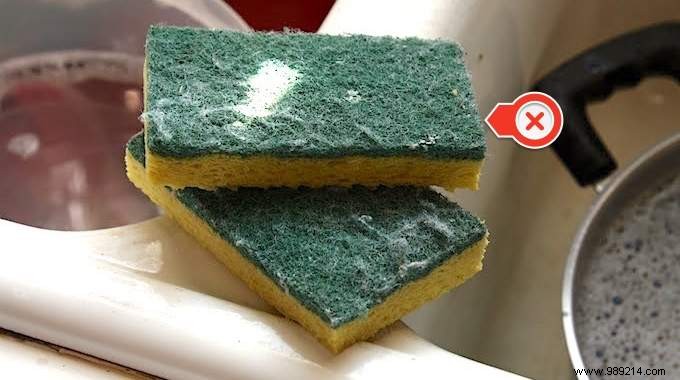
Think twice before microwaving your kitchen sponge. A study by German microbiologists reveals sponges are hotspots for harmful germs.
Many assumed microwaving eliminated all bacteria. In reality, it only wipes out the weakest strains.
The resilient ones survive and multiply rapidly, dominating the sponge.
These tough bacteria pose potential health risks.
Your sponge ends up even smellier and more contaminated. Yuck!
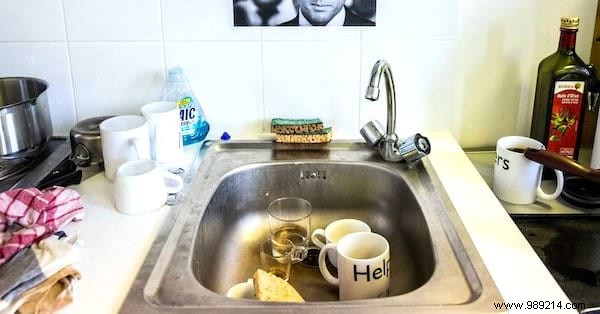
Bacteria thrive everywhere, including kitchen sponges. Previous research underestimated their numbers and diversity.
Dr. Markus Egert, a microbiologist at the University of Furtwangen in Germany, led a team that analyzed DNA from 14 used sponges.
They discovered 362 different bacterial species.
The most striking finding was the density: 82 billion bacteria packed into just 16 cm3.
Incredible—like a microbial anthill.
"This matches the bacterial density in human stool samples," Dr. Egert explains.
"There may be no other place on Earth with such density."
Sponges provide ideal conditions: warmth, moisture, and ample nutrients.
Among them is Moraxella osloensis, common on human skin and in nature.
Risks are unclear, but a University of Oxford study links it to infections in immunocompromised people.

A study by the American Society for Microbiology identifies Moraxella osloensis as a key culprit in foul odors from dirty laundry—and likely sponges too.
The stench comes from chemical byproducts of the bacterium feeding on fats.
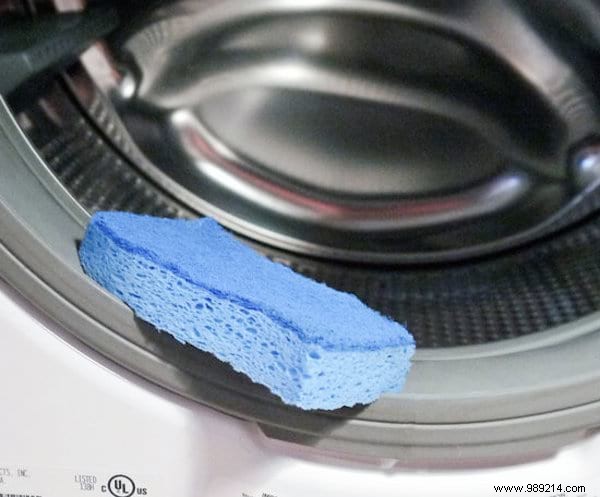
Microwaving falls short. Better options include running sponges through the dishwasher or washing machine, soaking in white vinegar, baking soda, or coarse salt overnight, or boiling them.
However, no method is 100% effective—even regularly cleaned sponges harbor dangerous bacteria.
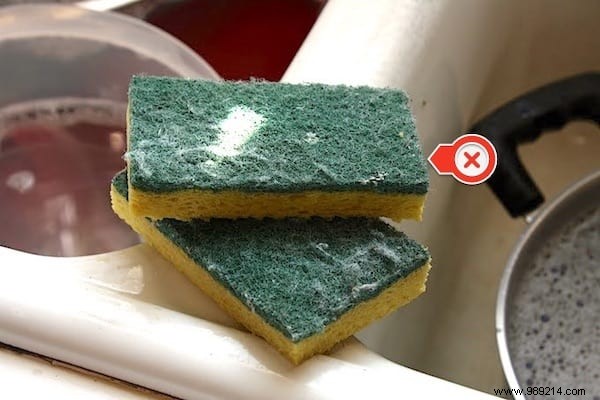
Dr. Egert recommends replacing sponges every 2 to 3 weeks, as full disinfection is impossible.
Especially if it's falling apart or crawling with grime.
Quality sponges aren't cheap, but repurposing cleaned old ones outside the kitchen helps.
Avoid using them on counters or in the fridge to prevent food contamination.
Reserve them for bathrooms or toilets instead.
Not all sponges are equal. Cheap ones wear out fast, while quality options like these last longer and offer better value.
Invest in durable, affordable sponges such as these: