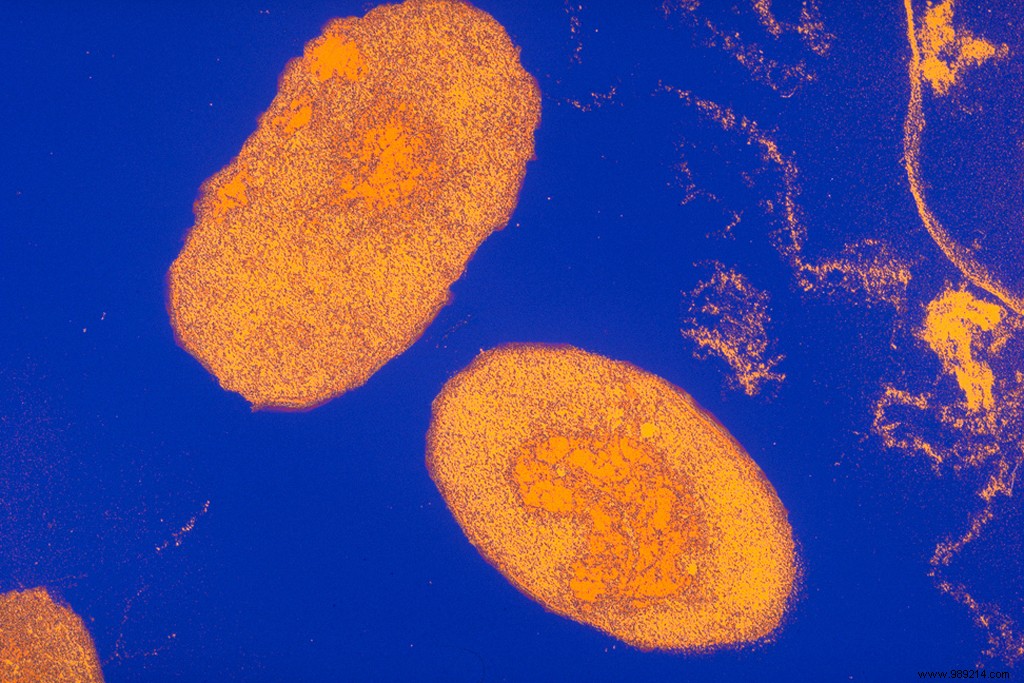
Recent research reveals that the Bordetella pertussis bacterium behind whooping cough is developing greater resistance, potentially necessitating a new vaccine.
Pertussis, or whooping cough, is a highly contagious respiratory infection caused by the bacterium Bordetella pertussis. Widespread childhood vaccination has dramatically reduced cases, yet the disease persists globally, with an estimated 40 million annual infections and around 300,000 child deaths each year.
Some nations are seeing resurgences, notably Australia, which experienced a major epidemic from 2008 to 2012 with 140,000 reported cases.
A study in the journal Vaccine by researchers at the University of New South Wales provides key insights. Strains isolated during Australia's outbreak had evolved to become more virulent.
The microbiologists identified two key adaptations.
First, certain strains produce fewer immunogenic proteins, which typically signal the immune system to mount a defense. Second, they have enhanced nutrient-binding and transport proteins, improving their ability to thrive in the host.
Alarmingly, these changes enable the bacteria to persist even in vaccinated individuals.
“In essence, whooping cough bacteria are becoming adept at evasion and nutrient acquisition, evolving into superbugs,” explains lead author Laurence Luu.
Experts stress that current vaccines remain highly effective overall and must continue to be administered. However, these findings suggest developing an updated vaccine within the next decade.
In France, whooping cough vaccination is mandatory from two months of age since January 1, 2018, involving two doses at 8 and 16 weeks, a booster at 11 months (in a combination vaccine with tetanus, diphtheria, polio, Haemophilus influenzae type b, and hepatitis B), and further boosters at 6 years, 11-13 years, and 25 years.
Related articles:
