
Decades of scientific research confirm that sedentary lifestyles heighten risks for serious conditions like heart disease and type 2 diabetes. Inactive individuals also face shorter lifespans.
In France, physical inactivity is alarmingly on the rise despite packed schedules leaving little room for exercise. The good news? A practical solution exists: cycling to work.

What does the evidence say about cycling to work? Researchers from the University of Glasgow conducted the largest study to date, published in the prestigious British Medical Journal (BMJ). The findings urge policymakers to prioritize active commuting for better public health.
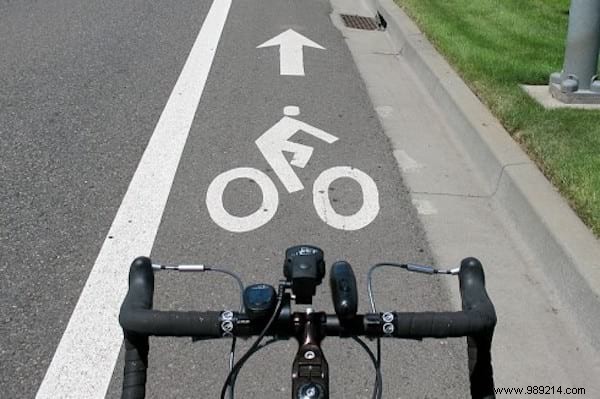
Active commuting by bike or on foot remains rare across Europe. In the UK, just 3% cycle to work and 11% walk—among the continent's lowest rates. By contrast, 43% of Dutch and 30% of Danes cycle daily.
France lags too: only 5% of the population cycles to work regularly, per the study.
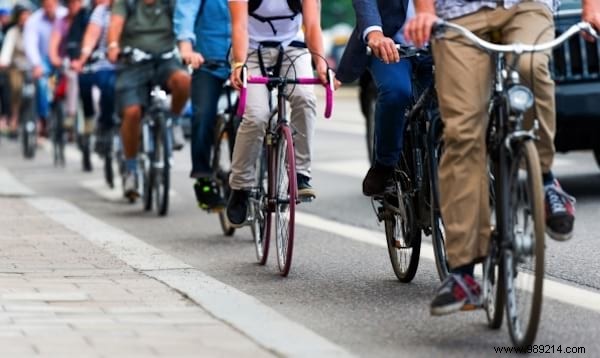
The study analyzed data from more than 250,000 working adults (average age 53), categorizing their commutes: car/public transport, walking only, cycling only, mixed walking, or mixed cycling.
Participants were tracked for 5 years for heart disease, cancer, and mortality, with adjustments for confounders like age, gender, income, BMI, smoking, diet, and more. Those with pre-existing conditions were excluded.

Cyclists to work had a 41% lower all-cause mortality rate than car or public transport users. Benefits extended further: 52% reduced risk of cardiovascular death, 40% lower cancer incidence, 46% lower heart disease risk, and 45% lower cancer risk.
Longer commutes amplified these gains for both cyclists and walkers. Compelling reasons to pedal, right?

This rigorous, large-scale research solidifies cycling's profound health impacts, dispelling doubts on its role in preventing cancer, heart attacks, and premature death.
It's a public health imperative—and it slashes greenhouse gas emissions. Leaders in Copenhagen and Amsterdam have made cycling the simplest urban transport choice through dedicated infrastructure.
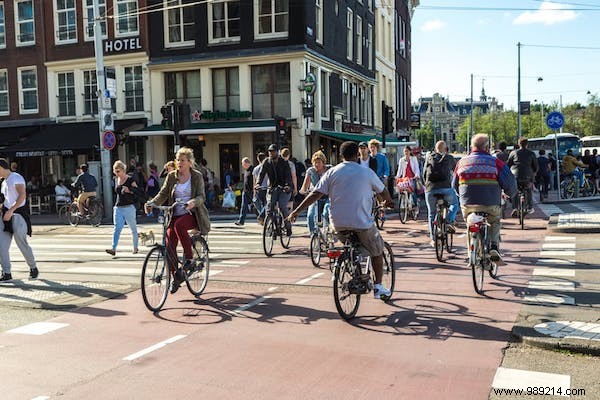
Strasbourg ranks as Europe's 4th and France's top cycling city (Paris 7th nationally). These successes stem from sustained policies: expanded cycle paths, bike-sharing, subsidies, secure parking, and transit integration.
France has room to catch up—will policymakers rise to the challenge for healthier, greener cities?
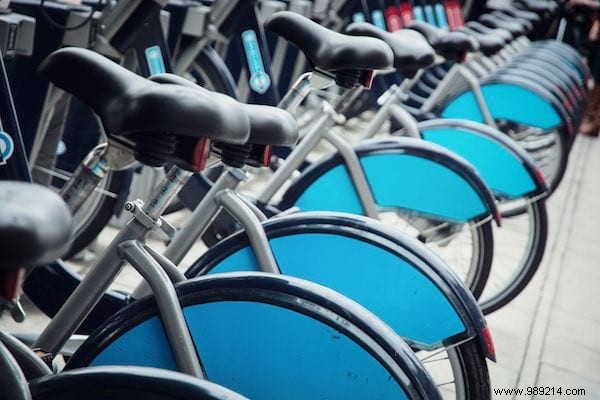
Many French cities offer affordable bike-sharing: Vélib' in Paris (€37/year), Vélo'v in Lyon, Le Vélo in Marseille, Vélhop in Strasbourg, and more.
Opt for a quality city bike (~€200) or e-bike (~€690) if needed. Far cheaper than car ownership.

Biking spares fuel costs, reduces vehicle wear (fewer repairs), and for urban dwellers, eliminates insurance, purchase, and parking expenses altogether.
