After kidney transplants, patients typically require lifelong immunosuppressive drugs to prevent rejection. Now, Stanford researchers have pioneered a technique that eliminates this need for select patients, successfully treating three children.
Organ transplants save countless lives annually, yet rejection remains a major challenge. The immune system identifies donor organs as foreign and attacks them, necessitating lifelong immunosuppression. However, these medications carry serious risks, including heightened susceptibility to infections, cancer, and diabetes.
A Stanford University team in California has developed an innovative approach to mitigate these issues for certain patients. They focused on three California children born with Schimke immuno-osseous dysplasia (SCID), a rare genetic disorder causing kidney failure and immune deficiency.
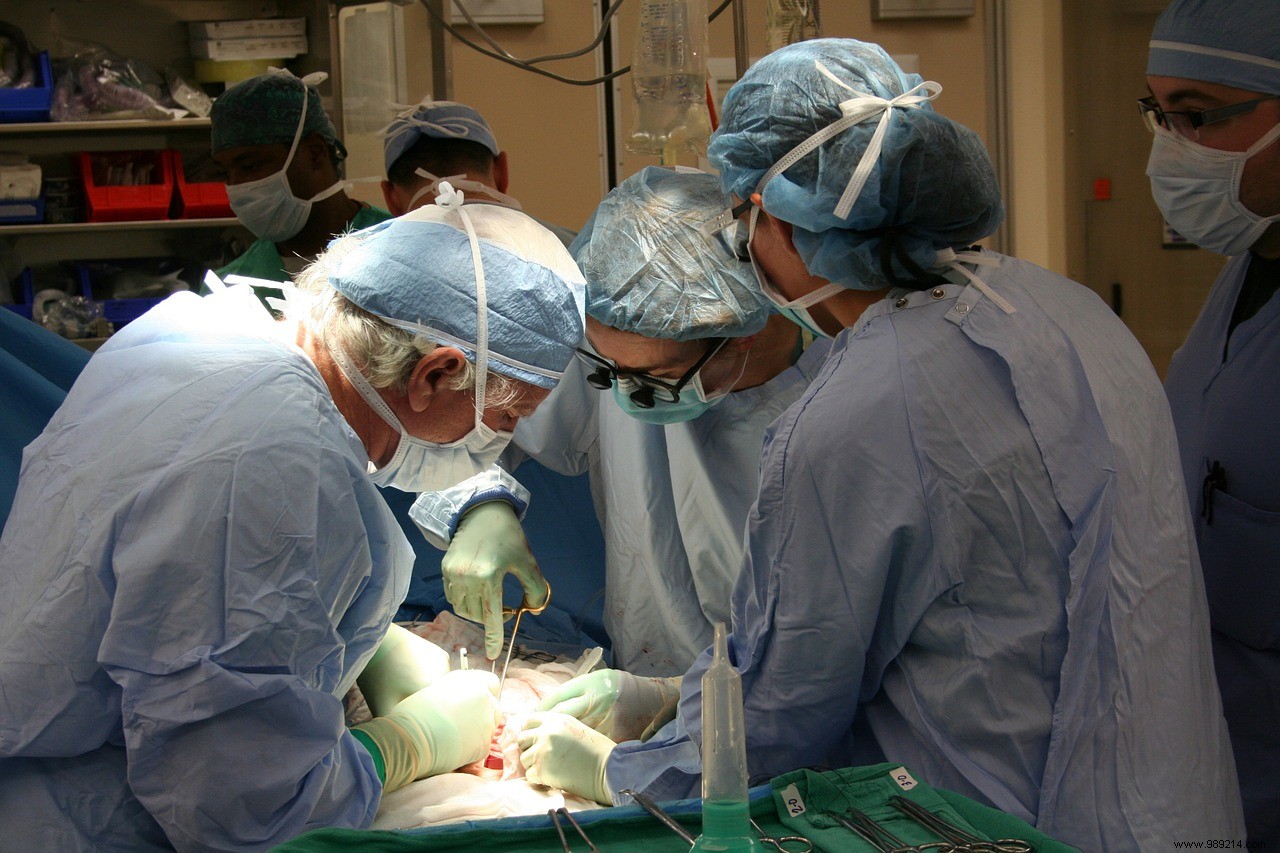
Leveraging the children's compromised immune systems, the researchers hypothesized they could reprogram it to accept donor cells. The procedure involved transplanting bone marrow—rich in immune stem cells—from the same donor as the kidney. This transfers immune tolerance safely.
Pre-transplant, patients received immunosuppressive conditioning. Donor organs were depleted of potentially hostile cells (alpha-beta T cells and CD19 B cells) to prevent graft-versus-host disease.
Over 34 months of close monitoring, none of the children experienced rejection. All maintain normal kidney and immune function without anti-rejection drugs.
Detailed in the New England Journal of Medicine, these findings from a small cohort are preliminary. Long-term kidney durability requires further study, but the method holds significant promise for minimizing post-transplant immunosuppression in compatible cases.
