University of Michigan researchers have demonstrated how targeted ultrasound, combined with the body's immune defenses, can eliminate tumors twice as effectively. Rodent experiments yield promising results.
Cancer treatment continues to evolve, with standard therapies like chemotherapy and immunotherapy often slowing progression but rarely achieving cures. Enter Immunogenic Cell Death (ICD), a compelling approach gaining traction among experts.
ICD triggers a powerful immune response upon cell death, unlike apoptosis—a form of programmed cell death that eliminates harmful cells quietly without alerting the immune system.
First identified around 2005, ICD in cancer cells sparks a specific immune response, essentially turning dying tumor cells into a vaccine that rallies the body to attack the remaining cancer.
In a recent study published in the journal Cancers, University of Michigan scientists harnessed ultrasound to induce ICD, marking a significant step forward.
Non-invasive ultrasound targeting for cancer is advancing rapidly, proven to enhance drug delivery and ablate tissue through heat. This technique takes it further.
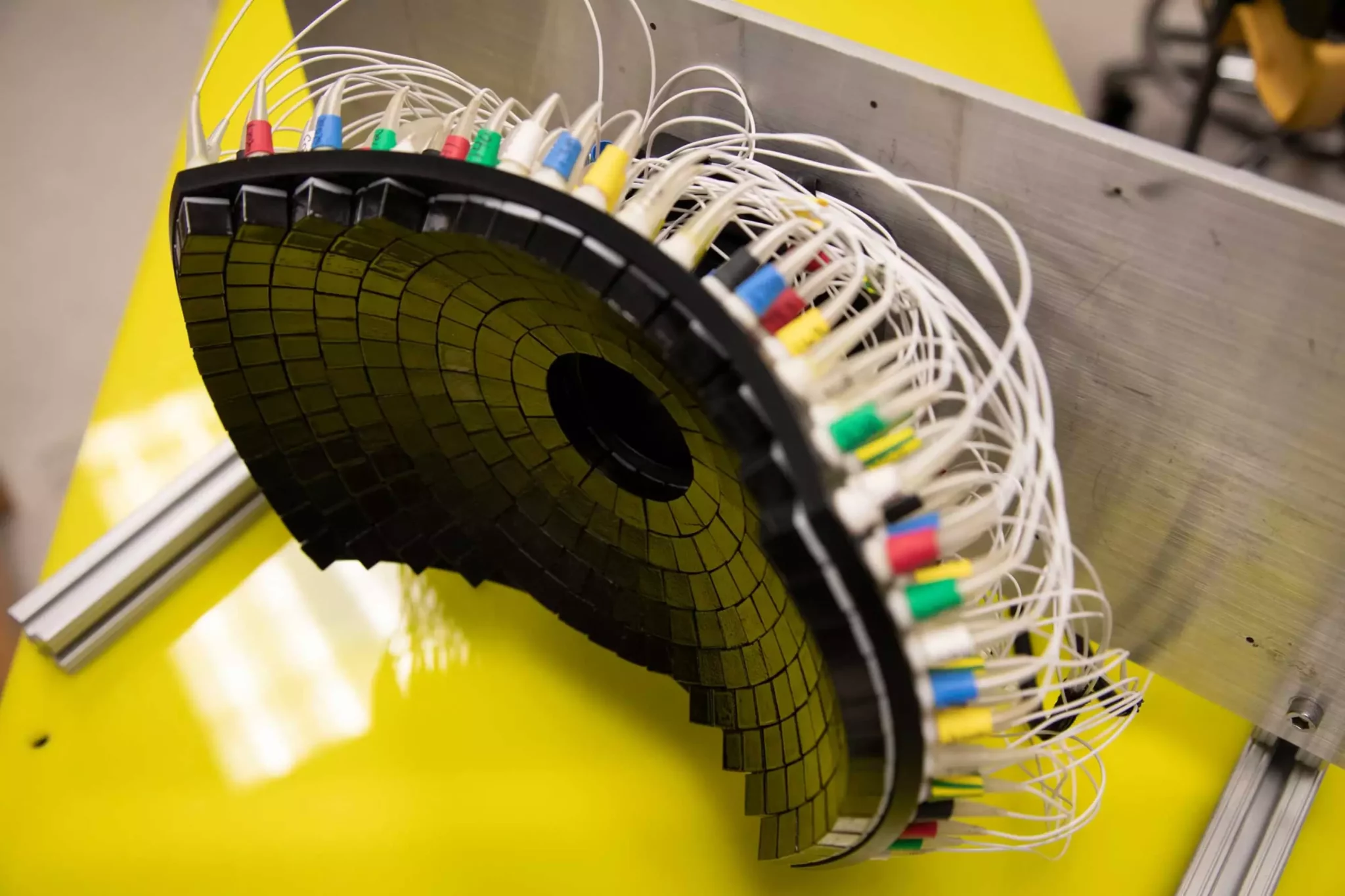
Using microsecond ultrasound pulses, known as histotripsy, the method creates microbubbles in target tissues. These bubbles expand and collapse, generating mechanical stress that lyses cancer cells and disrupts tumor architecture.
In rat liver tumor models, the body safely cleared debris, which appears to contain signals that stimulate ICD. Crucially, treating just 50-75% of a tumor activated the immune system to eradicate the rest—ideal for hard-to-reach or oversized tumors.
Notably, 80% of treated rats showed no recurrence or metastasis.
The team attributes residual tumor clearance to ICD, though further confirmation is needed to fully elucidate the mechanisms.
Upcoming research will test adaptability across tumor stages; these experiments focused on early-stage lesions.
