A landmark study from the University of California reveals that people who have recovered from COVID-19 develop durable immune cells that persist over time. While the precise duration of this protection isn't fully known, these results offer strong encouragement for long-term immunity.
As herd immunity fades as a pandemic strategy, researchers are focused on understanding how long immunity lasts after SARS-CoV-2 infection. A preprint study posted on bioRxiv on November 16, 2020, provides optimistic insights. Scientists analyzed blood samples from 185 men and women aged 19 to 81.
These participants had recovered from mild COVID-19 cases. The team examined key immune components, including B cells that produce antibodies and two types of T cells that target infected cells.
Findings show that antibodies remain detectable for six to eight months before a slight decline, with T cells following a similar pattern. Intriguingly, B cell levels increased, though the reason remains unclear.
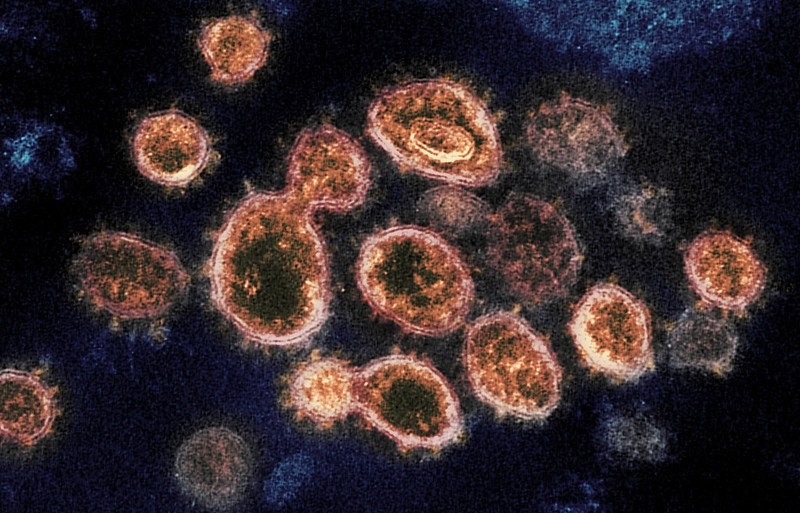
This research doesn't pinpoint the exact length of COVID-19 immunity but bolsters hope for sustained protection—a positive signal for pandemic management. Note that initial vaccines from Moderna, Pfizer, and Russia were still in development at the time.
“We absolutely had to know if reinfection was going to be a problem. And so to see evidence that we have this type of persistent and robust response, at least on these time scales, is very encouraging… Such a large amount of immunological memory would probably allow the majority of people not to be again hospitalized and badly affected by the disease for years." — Shane Crotty, co-author, to the New York Times.
Approach these findings cautiously: the study is a preprint and has not yet undergone peer review.
