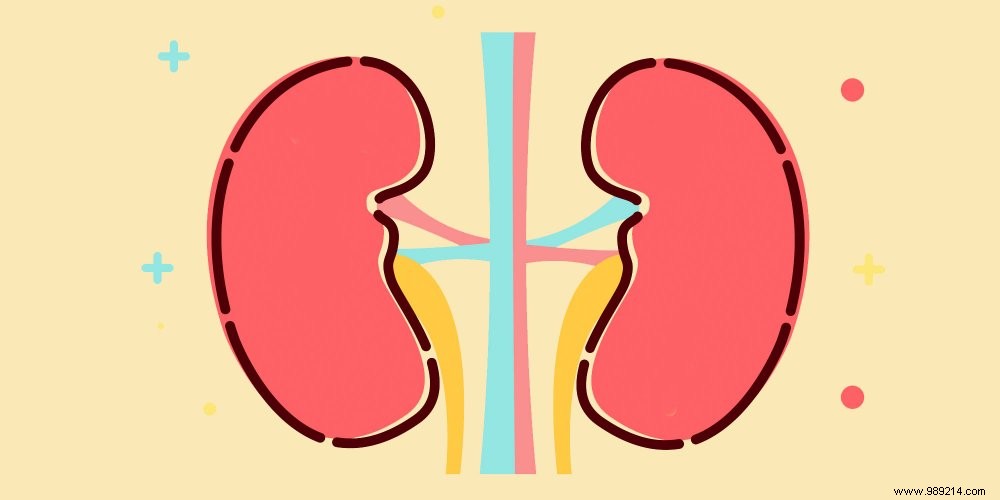
 The kidneys are vital organs that filter waste, produce hormones, regulate calcium metabolism, maintain acid-base balance with the lungs, and control blood pressure via renin. Yet, kidney disease affects millions and is often preventable with simple lifestyle changes.
 Acting as the body's sewage treatment plant, kidneys process waste daily. However, after age 40, filtration declines by about 1% yearly, raising risks for silent, progressive kidney disease.
As nephrologist Dr. Corinne Isnard Bagnis—professor at Sorbonne University and deputy head at Pitié-Salpêtrière Hospital—explains in her book Impossible urination: take care of your kidneys, they will help you (Editions du Rocher, September 2020), proactive care is crucial.
Balanced nutrition prevents obesity, diabetes, and hypertension—key kidney disease risks. A September 2019 Australian study in the Journal of the American Society of Nephrology found the Mediterranean diet (rich in fruits, vegetables, nuts, whole grains, legumes, and fish) cuts kidney disease risk by 30%.
Video of the day:
Incorporate berries and fermented dairy to support urinary microbiota health, reducing kidney stones, cystitis, and incontinence.
Stay hydrated with at least 1.5 liters of fluids daily (more—up to 2 liters—for those prone to UTIs or stones). Include water, tea, coffee, and infusions, avoiding added salt or sugar.
Limit salt to 6-7g daily (French average: 8-9g), a hypertension trigger. Use gomasio, spices, or herbs for flavor.
Avoid self-medication, especially NSAIDs like ibuprofen, which narrow kidney blood vessels. ANSM advises minimum effective dose for shortest time: ≤3 days for fever, ≤5 for pain. Same for laxatives and diuretics.
Steer clear of unclear herbal remedies or supplements. Quit smoking—it impairs function and quadruples kidney failure risk.
PNNS recommends 10,000 steps or 30 minutes daily. France Rein advises activity every 48 hours to curb cardiovascular disease, diabetes, and obesity.
Start gradually with enjoyable moderate activities like walking, gardening, or joining clubs for hiking, dancing, or aquagym. Warm up/cool down 5-10 minutes; build daily habits like stairs over elevators.
Kidney issues are "silent." France Rein and Kidney Foundation urge screening for those with diabetes, obesity, cardiovascular, or autoimmune conditions via urine tests for blood or albumin.
RESIR notes early detection could prevent 10% of kidney failure and delay 30% for years.
Read also: