A groundbreaking genetic analysis of over 200,000 British men reveals that approximately one in 500 may have an extra sex chromosome, often undiagnosed. This condition is associated with elevated risks of diabetes, cardiovascular issues, and more, according to research published in Genetics in Medicine by experts from the University of Cambridge and University of Exeter.
Sex chromosomes determine biological sex: males typically have one X and one Y, while females have two Xs. Some men, however, carry an extra X (XXY, Klinefelter syndrome) or Y (XYY). Prior estimates suggested prevalences of 100 per 100,000 men for XXY and 18 to 100 per 100,000 for XYY.
Men with Klinefelter syndrome (XXY) often experience delayed puberty, infertility, tall stature, higher body fat, low muscle tone, reduced bone density, neurocognitive challenges, psychoses, personality disorders, and increased type 2 diabetes risk.
Extra Y chromosome (XYY) cases are less defined but linked to taller height without other major physical traits.
Using UK Biobank data—a vast resource of anonymized genetic, lifestyle, and health information from 500,000 UK participants—researchers analyzed over 200,000 men aged 40-70. They identified 213 with an extra X chromosome and 143 with an extra Y, estimating a general population prevalence of about one in 500 men—far higher than previously reported.
Only 49 of 213 XXY cases (23%) had a Klinefelter diagnosis; just one of 143 XYY men was diagnosed, highlighting widespread underdiagnosis.
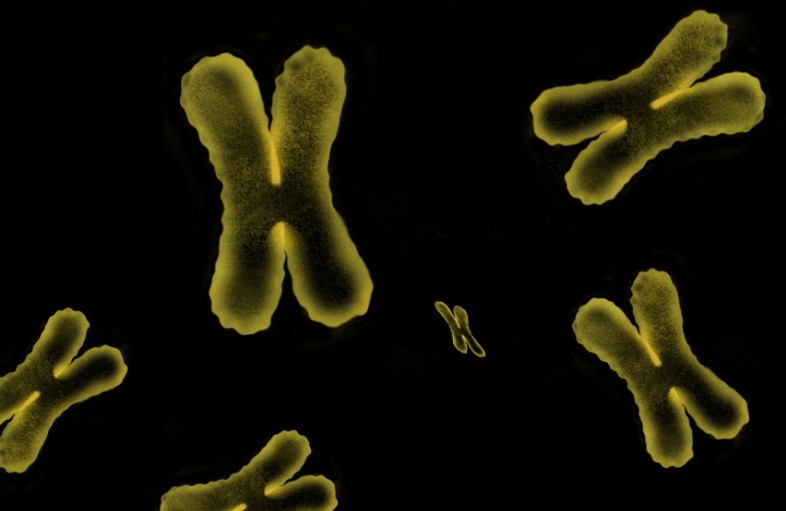
Comparing health profiles, XXY men showed significantly lower testosterone, three times higher delayed puberty risk, and four times infertility risk. XYY men had normal fertility. Both groups faced heightened risks for type 2 diabetes, venous thrombosis, pulmonary embolism, and chronic obstructive pulmonary disease.
The exact mechanisms remain unclear, warranting further research. Routine screening for extra sex chromosomes could enable early intervention to prevent these conditions.
