Leading German environmental NGO NABU highlights evidence from studies linking radio waves from smartphones and WiFi to insect population declines. Their analysis shows impacts on insect behavior and genetic integrity.
The debate over 5G's environmental and health effects continues worldwide. Proponents argue no causal links exist, while critics cite emerging evidence. In Germany, NABU—one of Europe's largest nature conservation organizations—released a meta-analysis of 190 studies (PDF in German, 28 pages) on August 3, 2020, examining electromagnetic radiation's effects on insects. This has broader implications for ecosystems and human health. Notably, 60% of studies indicate connections to insect depopulation.
Smartphone emissions are measured by the specific absorption rate (SAR), a standard designed to limit human exposure.
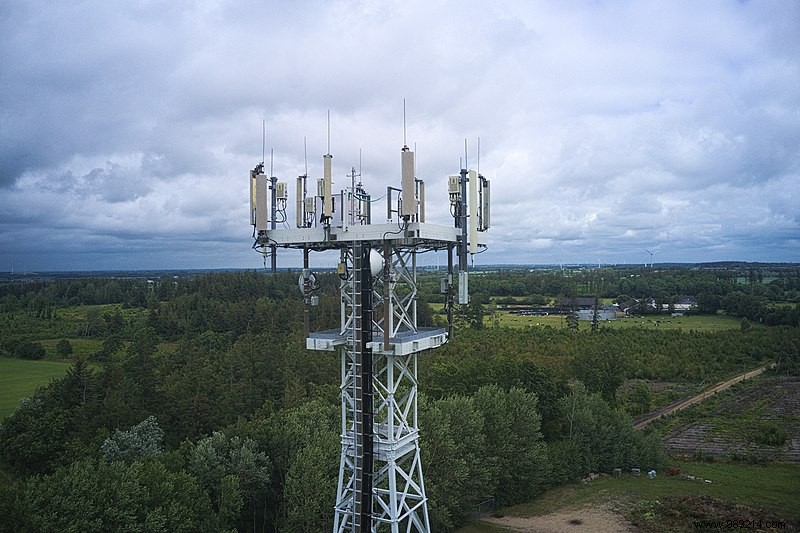
Studies reviewed by NABU also cover WiFi effects, revealing elevated intracellular calcium levels in insects like flies, wasps, and bees. Consequences include reduced reproduction, immune disruption, disorientation, and genetic damage. Insects are vital pollinators and prey for birds and other wildlife, so their decline cascades through food chains.
A 2019 PLOS One study reported arthropod biomass drops of 67% in grasslands and 41% in forests over the past decade, encompassing insects, spiders, and more.
