Frequency Therapeutics, an MIT spin-off, develops a regenerative therapy to restore hearing by stimulating inner ear hair cell growth. Early clinical trial results show significant promise.
Hearing loss diminishes the ability to perceive sounds, often leading to daily frustrations and social isolation if untreated. Frequency Therapeutics, a biotechnology leader, is pioneering a regenerative therapy to reverse this condition—without relying on hearing aids or implants.
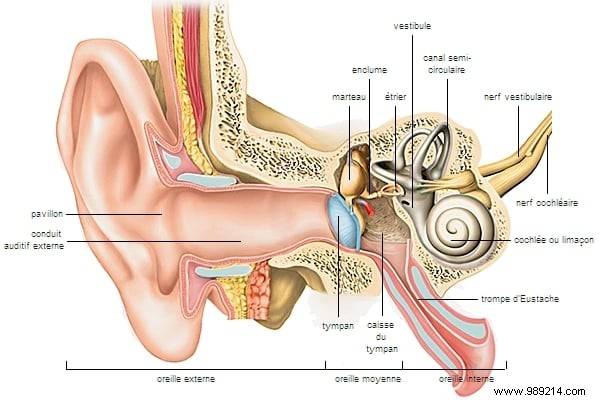
Humans are born with approximately 15,000 sensory hair cells in each cochlea, the inner ear structure alongside the vestibule and auditory nerve. These critical cells do not regenerate naturally once lost over time.
Progenitor cells, similar to stem cells, hold the potential to differentiate into specialized cells. For years, researchers have targeted these inner ear progenitor cells to generate new hair cells.
In 2012, the team successfully used small molecules to produce thousands of hair cells in lab settings. Building on this, Frequency Therapeutics has advanced to a drug candidate that works directly in the cochlea.
The drug has been tested in over 200 patients across three clinical studies, demonstrating clinically significant improvements in speech perception for some after just one injection—with effects lasting up to nearly two years.
MIT co-founder Robert Langer shares, “Some participants hadn't heard anything for thirty years. Now, they can walk into a crowded restaurant and hear their children clearly for the first time.” Harvard-MIT professor Jeff Karp adds, “Hearing connects us to our communities and shapes our identity. Restoring it could transform society.” He predicts this approach may become routine in 10-15 years, akin to LASIK surgery: “In and out in an hour or two, with hearing fully restored.”
One study showed no improvement over placebo, which the company attributes to trial design issues. Frequency Therapeutics is now enrolling 124 participants in a new study, with preliminary results expected early next year.
