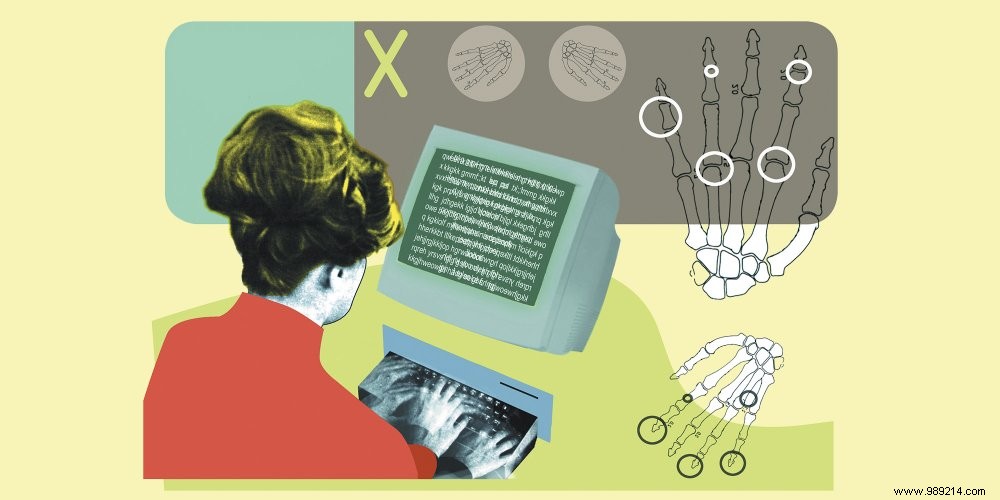
 Emerging research highlights how everyday tech like computers, tablets, and smartphones can harm our musculoskeletal health. Poor postures from prolonged use often lead to neck, shoulder, back, wrist, and finger pain—issues that affect women more due to less developed muscles and suboptimal screen habits.
 Screens fatigue our eyes and disrupt sleep via blue light, but misuse triggers deeper skeletal strain. A University of Nevada study (June 2018, Journal of Physical Therapy Science) found 70% of heavy users (over 5 hours daily) report musculoskeletal symptoms, versus 30% in men.
Tilting your head down to text on a smartphone adds massive pressure to your neck and upper back—your head weighs 4.5-5.5 kg. At 30 degrees, that's an extra 18 kg; at 60 degrees (common with screens), it's 27 kg. This sparks tension in trapezius muscles, causing "text-neck." A Cedars-Sinai study (Los Angeles) links intensive device use to spinal deformities and herniated discs.
Counter it by holding phones at eye level to align head and neck naturally. For tablets, elevate with 4-5 books or a stand—never use flat on a table, especially for videos.
Video of the day:Young heavy texters (20% messaging 2-4 hours daily) overwork finger tendons, leading to inflammation akin to historical knitters' wrist issues. Pain can be severe, impairing even eating with utensils. Repetition without breaks—not intensity—drives this.
Limit sessions to 30 minutes, stretch fingers often, and knead a foam ball daily for relief.
25% of desk workers report neck and low back pain from stress and poor posture. Prolonged sitting keeps muscles tensed; mouse use risks carpal tunnel via median nerve compression at the wrist base. Pain may radiate to shoulders. Women face higher risk during menstrual cycles, pregnancy, or menopause due to hormonal swelling.
Optimize your setup: position screen so eyes hit the top third, feet flat, legs uncrossed, shoulders relaxed. Rest forearms on desk, take stretch breaks, and stand every hour for 5+ minutes.
Read also: