Artificial respirators are a lifeline for severely ill COVID-19 patients. Their origins trace back to a pivotal moment in medical history: the birth of intensive care during a devastating polio outbreak.
In 1952, Copenhagen, Denmark, became ground zero for one of history's worst polio epidemics. Over 5,700 cases overwhelmed the city, with 2,450 developing respiratory paralysis. Blegdam Hospital, the region's sole facility for treating the disease, saw 30 to 50 new patients daily in the crisis's early weeks.
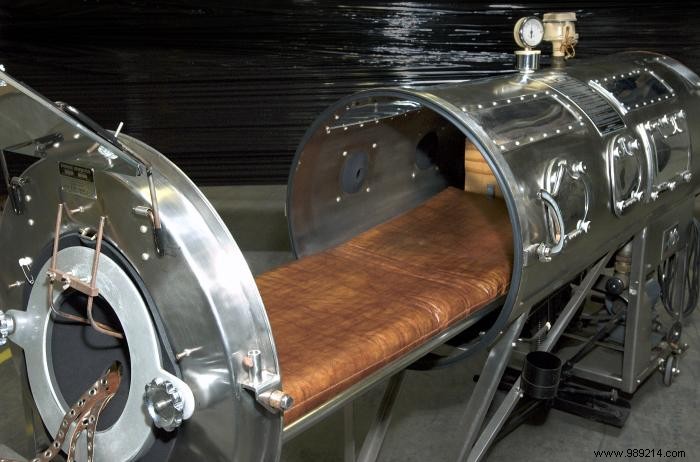
Overstretched doctors and nurses had just one iron lung—the era's primary tool for respiratory failure. This device, a large cylindrical chamber enclosing the patient's body (leaving the head exposed), used pumps to alternate internal pressure, mimicking natural breathing by drawing air in and expelling it.
Effective worldwide, saving thousands mid-20th century, it fell short for Blegdam's surge.
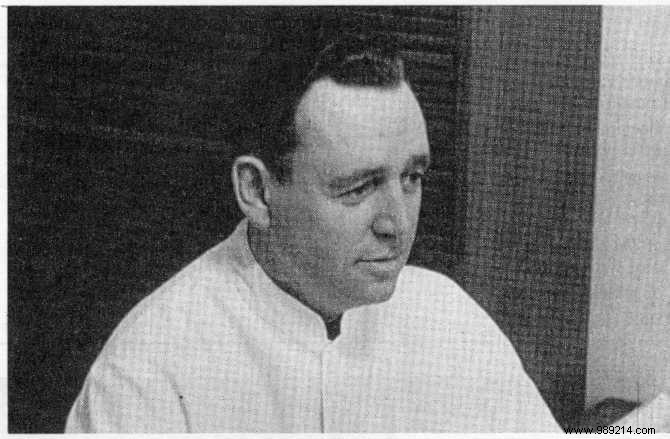
In desperation, the hospital's chief medical officer convened experts, including young anesthesiologist Bjørn Ibsen, fresh from training at Boston's Massachusetts General Hospital. Ibsen theorized patients weren't dying from viral overload in blood or brain, but from elevated blood CO2 due to hypoventilation—a hunch confirmed by autopsies showing high CO2 despite functional lungs in iron lung patients.
He advocated continuous positive pressure ventilation: blowing air directly into the lungs to inflate them, then allowing passive exhalation. This required tracheostomy—a neck incision to insert a tube for oxygen delivery. Approved on August 26, 1952, his method debuted on 12-year-old Vivi Ebert, whose paralyzed respiratory muscles and mucus-clogged lungs threatened suffocation. Under anesthesia, Ibsen cleared her airways and manually ventilated her; within minutes, she breathed freely.
Success prompted hospital-wide adoption for respiratory distress cases. With no mechanical ventilators available, 250 medical students and 260 nurses were mobilized for manual ventilation in rotating six-hour shifts. This extraordinary effort persisted for weeks, slashing mortality from 87% to 25%.
Months later, Ibsen applied the technique to a tetanus patient, ventilating for 17 days until recovery. The costs prompted Copenhagen to establish an anesthesia department under Ibsen's leadership as intern director. From 1954, he created a dedicated monitoring and ventilation room—the world's first intensive care unit (ICU). These units soon spread globally, with positive pressure ventilation via machines becoming standard.
