A recent University of Bonn study in Germany examined potential mental health risks from virtual reality (VR), sparked by gamers' online reports of psychological issues.
VR is increasingly used in healthcare to ease back pain, treat post-traumatic stress disorder (PTSD), and manage pain through hypnosis. Yet it brings physical side effects like motion sickness, arm discomfort, and shoulder strains. Could it also threaten mental well-being? Researchers at the University of Bonn investigated this in a study forthcoming in Computers in Human Behavior (June 2022).
By reviewing gaming forums, the team noted complaints of depersonalization—a persistent sense of detachment from one's body or thoughts, as if observing life from outside.
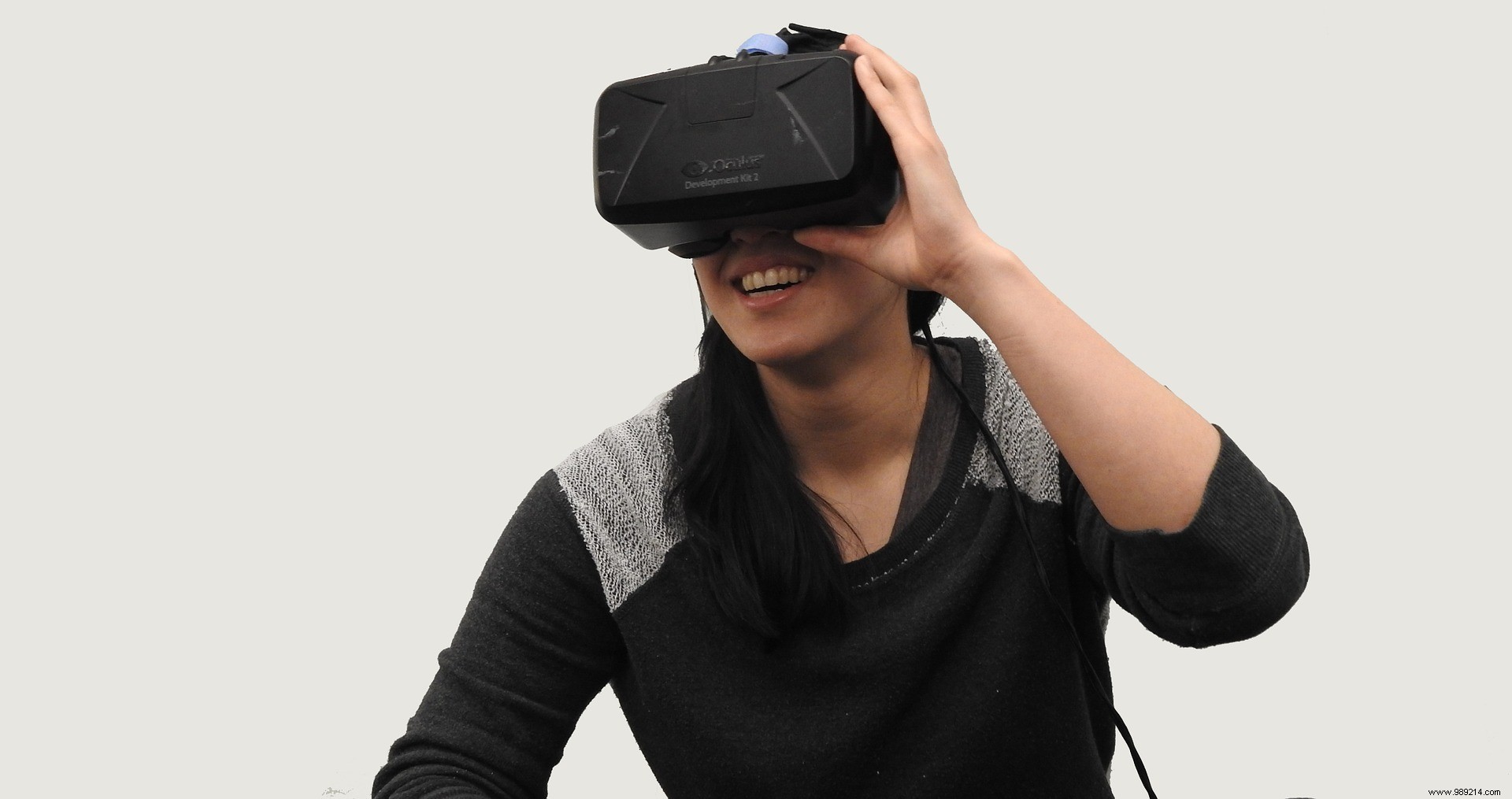
The researchers recruited 80 participants for a session of The Elder Scrolls V: Skyrim, split into two groups: one using a VR headset, the other a standard computer screen. Post-session, all reported heightened depersonalization, but it was significantly stronger in the VR group.
Just half an hour of VR triggered mild depersonalization and derealization symptoms—short-lived and below clinical thresholds. Conducted only on healthy individuals, the findings call for caution with those at risk of psychosis, anxiety disorders, or PTSD. Further research is essential to fully assess VR's mental health impact.
