Chinese health authorities have confirmed the world's first human infection with H3N8 avian influenza, detected in a four-year-old child in central China. Officials assess the risk of human-to-human transmission as low.
The H3N8 subtype of influenza A virus, alongside H7N7, causes equine and canine influenza and primarily affects birds. Documented since the late 19th century, it was once suspected in the 1889-1890 "Russian flu" pandemic, which killed about one million people—though this link was later disproven. More than a century later, Reuters reported on April 27, 2022, the first verified human case.
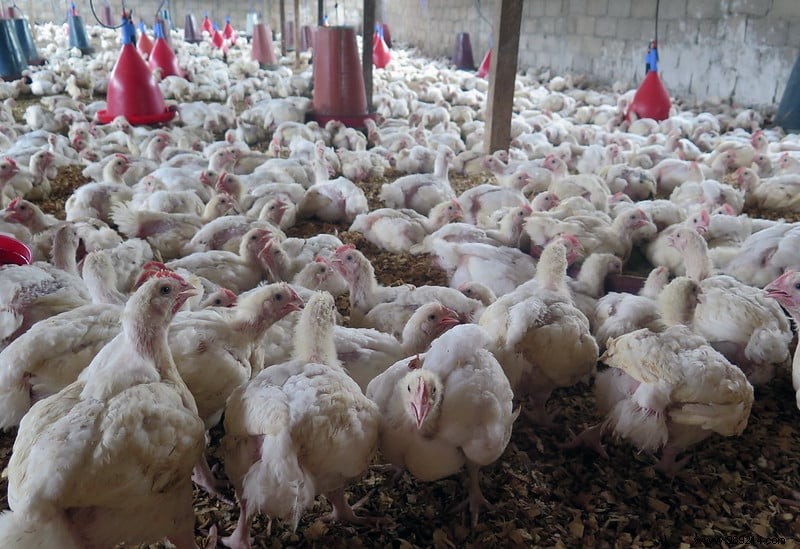
China's Ministry of Health states the child in Henan Province was directly exposed to birds. The family raises chickens and lives near areas with crows and wild ducks. Tests on close contacts showed no further infections. The child was hospitalized for fever in early April 2022 and tested positive for H3N8.
The Ministry describes this as a "one-off interspecies transmission," indicating low risk of widespread spread. Authorities urge avoiding sick or dead birds, with enhanced virus surveillance underway. Seek medical advice for fever or respiratory symptoms.
Full genome sequencing revealed a known viral recombination—a genetic mix from two viruses. China's dense populations of domestic and wild birds create opportunities for such recombinations and mutations, potentially yielding strains adaptable to humans and mammals. For instance, the first human H10N3 case emerged there in June 2021, with officials again deeming pandemic risk very low.
