A landmark U.S. study from Georgetown University reveals that climate change is driving animal species to migrate to new habitats, significantly elevating the risks of viruses jumping between species—and spilling over to humans.
The COVID-19 pandemic, which claimed over 6.2 million lives, prompted U.S. President Biden in May 2021 to investigate its origins thoroughly. While lab leaks were considered, animal-to-human spillover remained the leading theory.
Could climate change amplify these zoonotic risks? Georgetown researchers integrated climate models, habitat loss data, and viral spillover patterns to forecast global trends through 2070.
Published in Nature on April 28, 2022, their analysis of 3,139 mammal species—the primary reservoirs for human-infecting viruses—concludes that climate change will be the primary driver of novel disease emergence, linking ecosystem disruption directly to pathogen transmission.
Habitat destruction—from deforestation, rising temperatures, and wildlife trade—forces species to relocate, leading to novel encounters. Researchers project around 300,000 such first contacts today, fostering opportunities for viral crossovers.
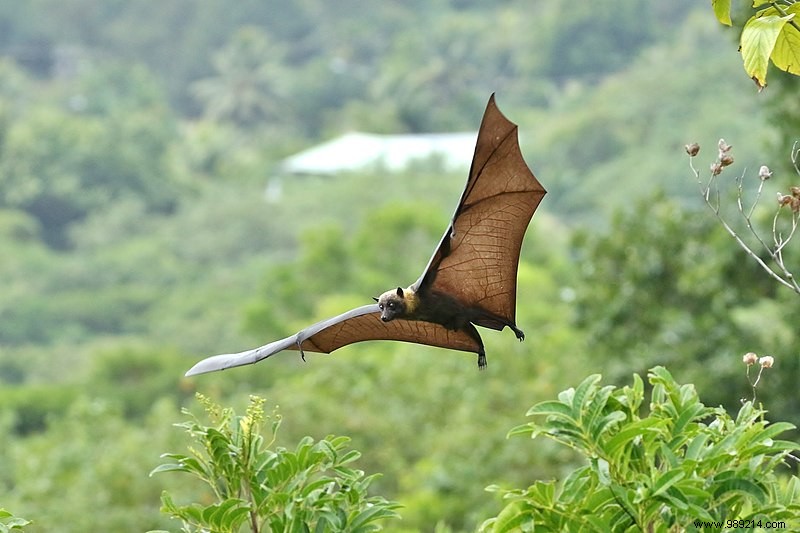
By 2070, a burgeoning viral network could enable at least 15,000 transmissions between species, with bats—frequent zoonotic sources like in COVID-19—playing a pivotal role via intermediate hosts.
Even capping warming at 2°C won't halt this; over 10,000 human-capable viruses already circulate undetected in wild mammals. Hotspots like tropical Africa and Southeast Asia, with dense populations and species mixing, face the greatest threats.
