One of the most potent hallucinogens known, ayahuasca has been used by Amazonian indigenous communities for centuries to address physical and psychological issues. But what exactly is it, and how does it impact the body?
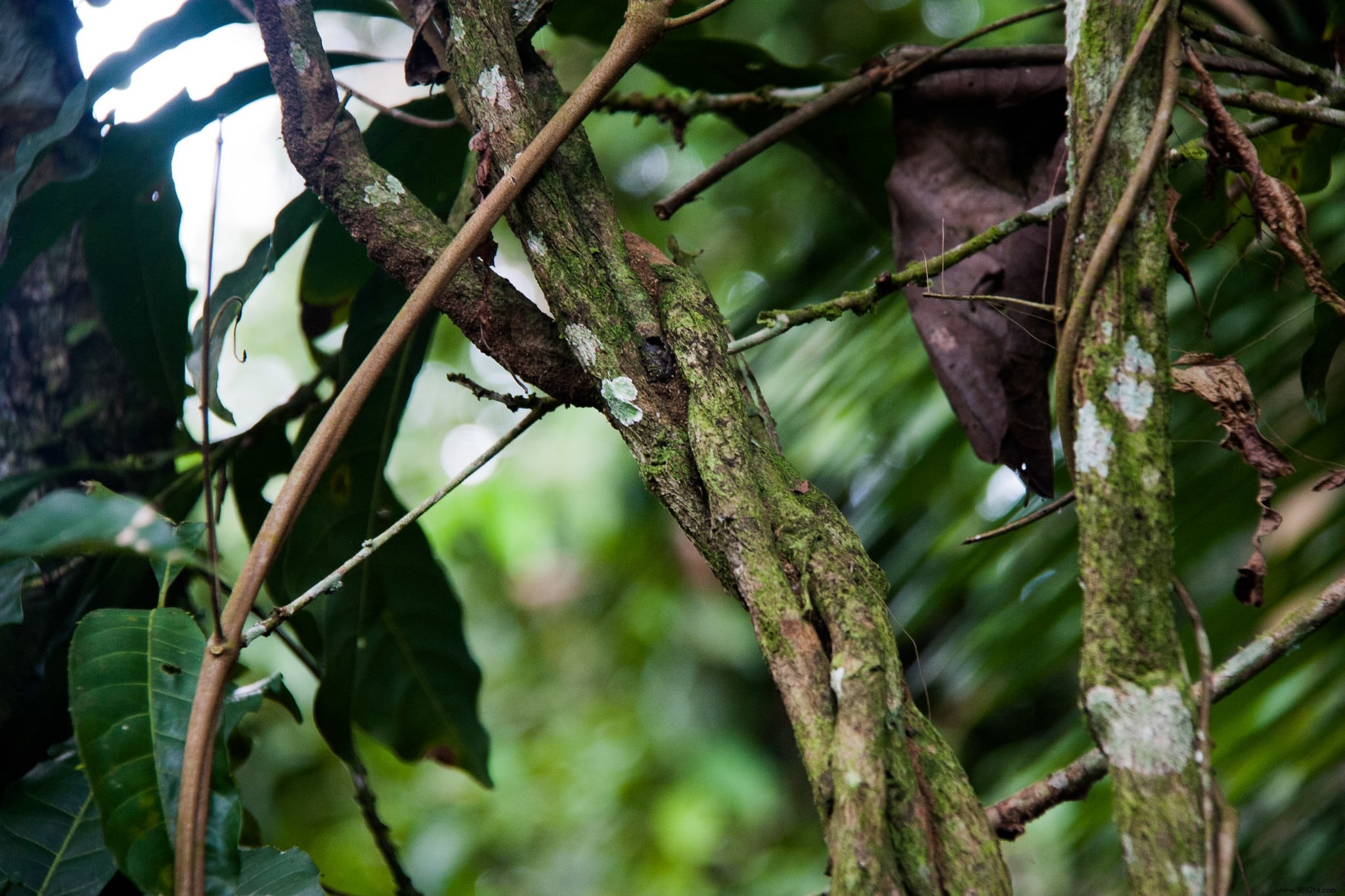
Ayahuasca is a psychedelic brew prepared in shamanic rituals by indigenous Amazonian peoples. It's made by simmering chacruna leaves (Psychotria viridis) with the ayahuasca vine (Banisteriopsis caapi).
Chacruna contains DMT, a psychedelic compound also present in many plants we consume daily. However, DMT is rapidly broken down by monoamine oxidase enzymes in the gut before reaching the brain. B. caapi counters this with MAO-inhibiting compounds, allowing DMT to produce its effects.
Ingestion often triggers nausea and vomiting, viewed in traditional contexts as a "purge" that clears negative energies.
Psychedelic effects begin around 20 minutes in. Central effects include visual phosphenes, altered perceptions, heightened senses, and hallucinations. Peripheral effects encompass elevated heart rate, breathing, blood pressure, and pupil dilation.
Researcher Jordi Riba, through the Beckley/Sant Pau program, has studied ayahuasca's brain impacts. His findings show that within 24 hours, brain regions tied to self-awareness connect more strongly with those handling emotions and memories.
Long-term, regular users exhibit thinning in the posterior cingulate cortex (PCC), a hub in the default mode network (DMN) active during introspection. This may drive changes in attention, self-reflection, and personality.
Riba notes therapeutic promise. Participants have gained clarity on personal challenges, with some overcoming severe cocaine or opiate addictions after sessions. It also shows antidepressant effects lasting weeks in treatment-resistant cases.
Key areas include addiction, depression, and trauma treatment, though more research is needed to validate these ancient insights.
Active compounds from B. caapi and P. viridis clear the body in hours, making toxicity or overdose rare with proper preparation.
Anxiety can arise from the intense experience, especially for unprepared Western tourists in unfamiliar settings. Indigenous users, prepared culturally from youth, navigate it more readily.
