Recent research shows pathogens hitch rides on microplastics from land to sea, raising serious concerns for human health and marine ecosystems.
Microplastics pervade our planet, detected from remote mountaintops to ocean trenches, including the Arctic and Antarctica. Just weeks ago, scientists isolated them from living human lungs for the first time. A collaborative team from the University of California, Davis; University of Nebraska-Lincoln; and University of Toronto demonstrated in a study published April 26, 2022, in Scientific Reports that microplastics can transport diseases from terrestrial sources to oceans.
The research tested the hypothesis that wastewater from towns carries pathogens that adhere to microplastics, eventually reaching marine environments. They examined three key pathogens: Toxoplasma gondii (causing toxoplasmosis), Cryptosporidium parvum (cryptosporidiosis), and Giardia enterica (giardiasis)—all capable of infecting humans and animals.
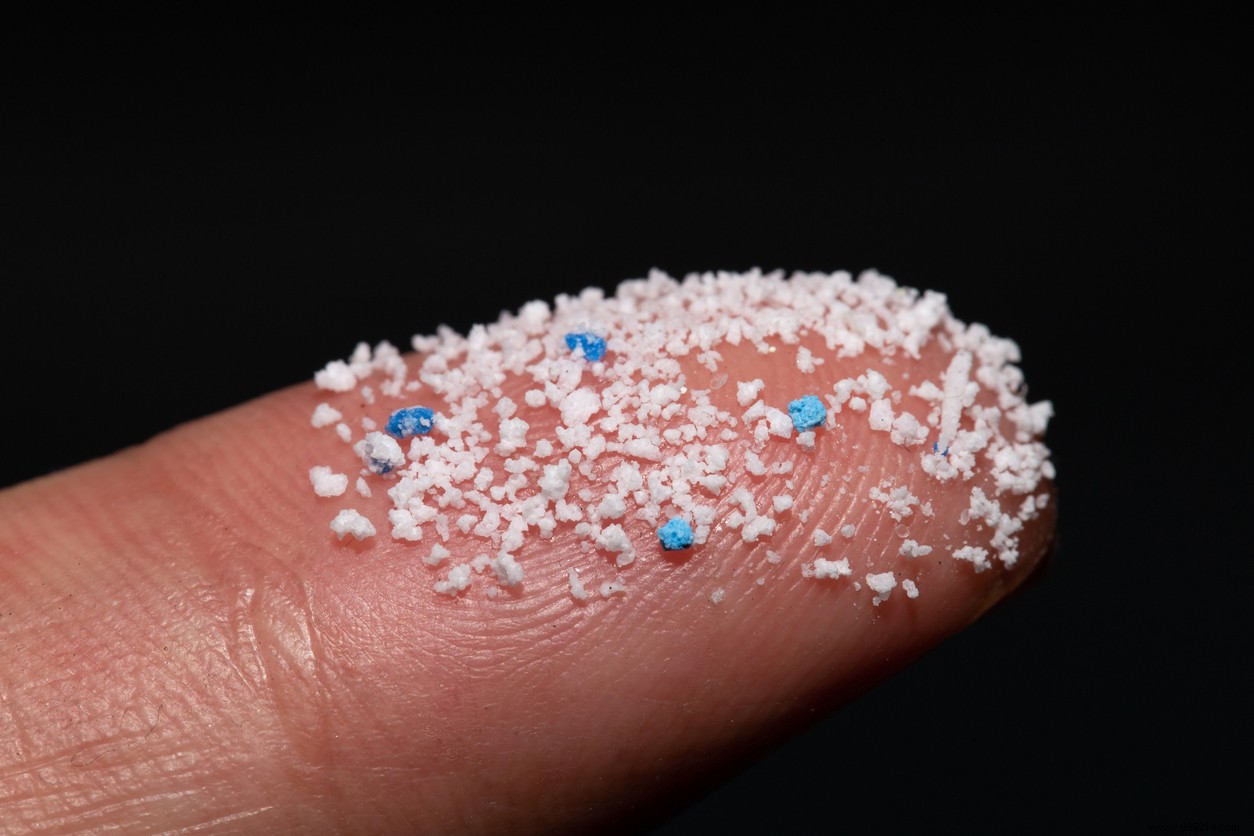
Microplastics measure less than 5 mm, roughly rice-grain size. The study used polyethylene microbeads (common in cosmetics) and polyester microfibers (from fishing nets and, primarily, laundry-shed clothing fibers). Researchers first conditioned these in seawater for two weeks to form biofilms, then exposed them to clean seawater or water spiked with one of the three pathogens.
After a week, microfibers attracted more bacteria than microbeads. Strikingly, 1 gram of plastic hosted at least a thousand times more bacteria than 1 ml of seawater.
These findings position microplastics as efficient vectors for pathogens. Floating particles disperse land-based germs across vast distances, while sinking ones concentrate them on seabeds—home to zooplankton and shellfish like mussels, oysters, and clams. Ultimately, this cycle threatens humans through contaminated water and seafood.
While field studies are needed beyond lab settings, the research underscores the urgency of curbing microplastic sources: installing laundry and dryer filters, treating rainwater, and regulating industrial and construction site discharges.
