Millions of people worldwide consume foods and drinks sweetened with artificial alternatives every day. Yet, compelling new research from leading institutions links regular sweetener intake to an elevated cancer risk.
Artificial sweeteners mimic sugar's taste while slashing or eliminating calories, making them staples in countless food industry products marketed for better health. However, prior studies have tied certain ones—like aspartame and sucralose—to weight gain and type 2 diabetes.
Research from Ben Gurion University of the Negev in Israel (2018) revealed that sweeteners in foods, including sports supplements, can harm gut bacteria. Disruptions to this altered intestinal microbial activity are linked to numerous health issues.
A comprehensive analysis by INSERM, INRAE, and Sorbonne Paris Nord University researchers, published in PLOS Medicine on March 24, 2022, drew from the NutriNet-Santé cohort study tracking 102,865 adults since 2009. The findings are clear: those consuming sweeteners, especially aspartame and acesulfame-K, face a significantly higher risk of any form of cancer.
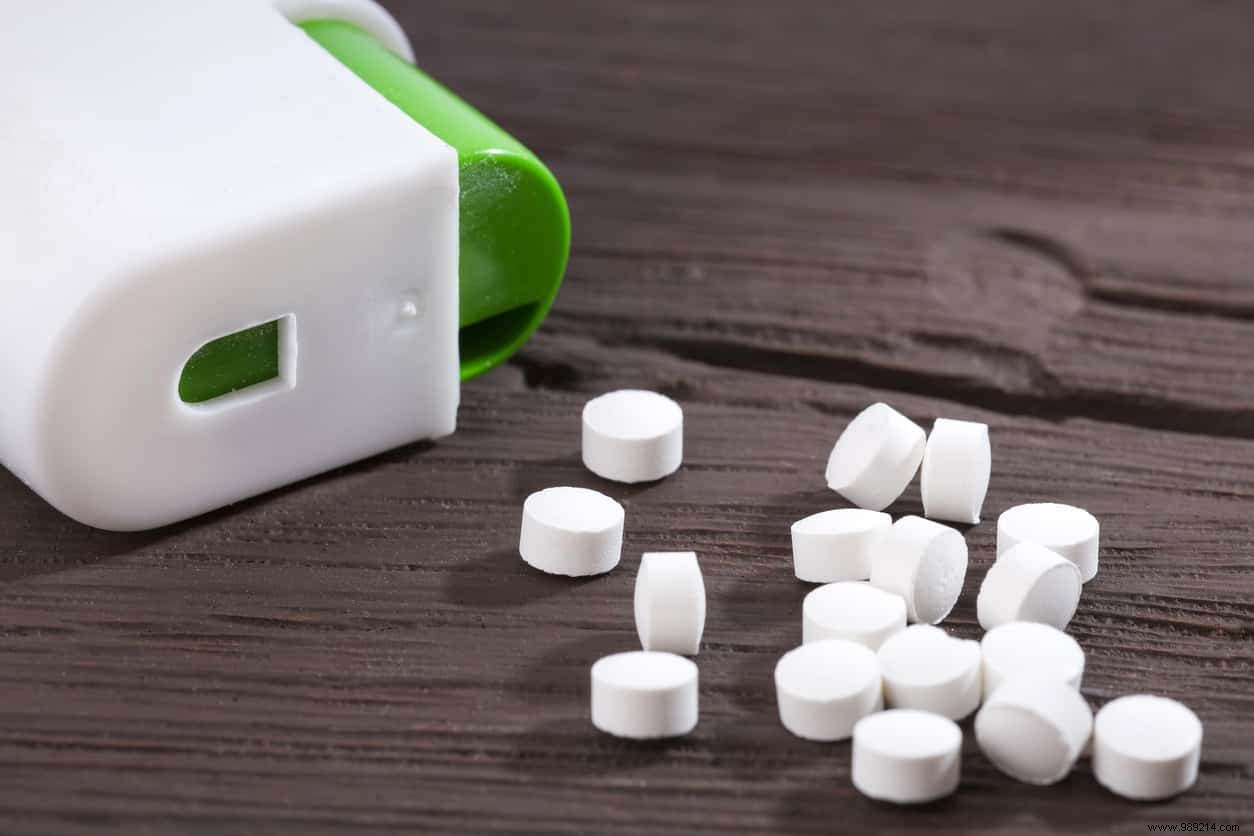
Specifically, top consumers showed a 13% higher risk of obesity-related cancers, rising to 22% for breast cancer. This corroborates earlier research, confirming that swapping sugar for sweeteners offers no health benefits.
The European Food Safety Authority (EFSA) and global health agencies are now reassessing sweetener risks based on this evidence. Regulatory changes, including potential bans in food production, may follow soon.
