Alcohol remains a major public health challenge, claiming over three million lives annually worldwide. Drawing from insights by Australian addiction expert Nicole Lee, here's a practical guide to assess and lower your intake effectively—starting with understanding your dependency level.
A 2018 WHO report highlights that alcohol abuse accounts for more than three million deaths yearly, representing about 5% of the global disease burden. The COVID-19 pandemic further spiked demand for support in cutting back or quitting. In this landscape, mindful reduction is essential.
In a March 28, 2022, article in The Conversation, Nicole Lee, professor at Melbourne's National Drug Research Institute, outlines reliable strategies. Begin by gauging your dependency: clues include struggling to stop at one drink or experiencing withdrawal after a day or two without. Validated tools like the Alcohol Use Disorders Identification Test (AUDIT) offer precise online assessments.
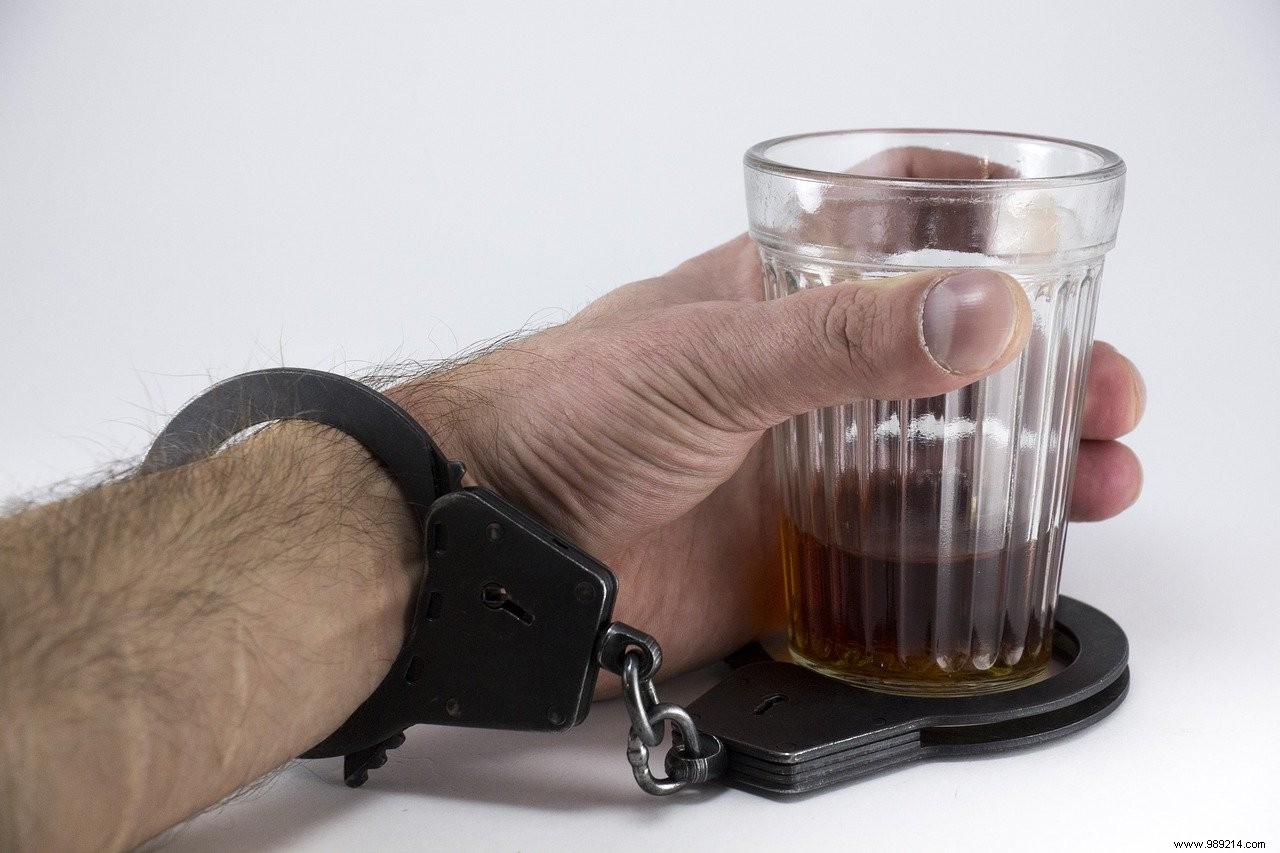
Once aware, customize your plan. For severe dependency, seek professional medical advice to prevent risks from abrupt cessation, such as convulsions or even death. With expert guidance, withdrawal lasts 5-7 days, and full abstinence may take 6-12 months.
Moderate drinkers can often self-manage by switching to non-alcoholic alternatives like beer, though flavor may tempt relapse. Professor Lee emphasizes psychological support: a brief 5-minute GP chat can slash intake by 30%. Consider therapies—solo or group—with psychologists, plus medications like Disulfiram, Acamprosate, or Naltrexone.
