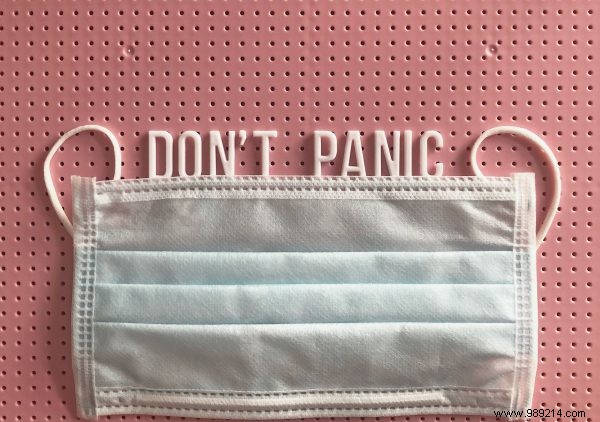
Fear is a natural protector, alerting us to real dangers. But when anxious thoughts dominate your life, it's time to take control. Here's how to conquer those fears effectively.
I once flew to Turkey with friends who were gripped by intense fear of flying. Pale and eyes squeezed shut, they clung to their seats. I reassured them: airplanes are statistically safer than elevators. 'Fear is irrational,' I said—nothing bad would happen.
In Turkey, we braved a hair-raising bus ride along steep ravines—yet no one panicked. At the hotel, the elevator jammed between floors in pitch darkness. Suddenly, I was the one trembling and sweating, desperate to escape. My friends chuckled: 'Elevators are safer than planes—your fear is unfounded.'
If you've faced a fear you rationally know is harmless, you know facts alone don't dispel it. Self-reassurance is key. Here's how experts and research recommend doing it:
Expose yourself deliberately to what scares you. Studies confirm this exposure therapy is the gold standard for overcoming phobias. By sitting with the anxiety and tension, you'll see the world doesn't end. Repeated exposure builds confidence; avoidance only amplifies fear.
Challenge catastrophic expectations. Flying fears often stem from crash worries, despite minuscule odds. Superstitions and emotions fuel it, not stats. Counter with alternatives: If 'I'll crash' hits, respond, 'Even if turbulence hits, planes are built for it.' Pinpoint exact risks to demystify them.
List the pros and cons of your fear. Anxiety brings attention, accommodations, and avoidance of tough tasks. Weigh how life improves without it—what changes for family? What benefits might the feared activity offer? This clarity reveals hidden payoffs and motivates change.
Try simple hand relaxation. A major Italian study found these anywhere-doable exercises most effective. Let your hands dangle loosely by your sides for seconds at a time. It signals your body to unwind fully—reducing anxiety in 70-80% of cases.
Focus on breath, a yoga staple now backed by science. Hands on belly, feel slow inhales and exhales—count if needed. It crowds out thoughts of crashes, speeches, or entrapment.
Text: Manon Sikkel, Image: Tonik/Unsplash
Also read:
Suffering from puncture anxiety? These steps will help you get rid of it
Top 10 most common phobias and fears among women
Pee fear, not daring to pee in public
