A moment's distraction in the kitchen, and you've filleted your finger instead of the fish. Or your child dashes in crying from a scraped knee. Here's how to effectively disinfect these common minor wounds.
Iodine was once the standard for wound disinfection—reliable, but notoriously stinging. Today, gentler alternatives like ointments, wipes, and medicated plasters offer effective protection without the pain.
Disinfectants aren't always required, but they play a key role in preventing infection. Watch for signs like redness and swelling around the wound, ongoing soreness, or irritation instead of healing. Infection risk rises with open wounds exposed to dirt—like from a food-covered knife or animal bite—or if kids keep scratching. Beyond purification, disinfectants support faster, healthier healing.
Rinse the wound first
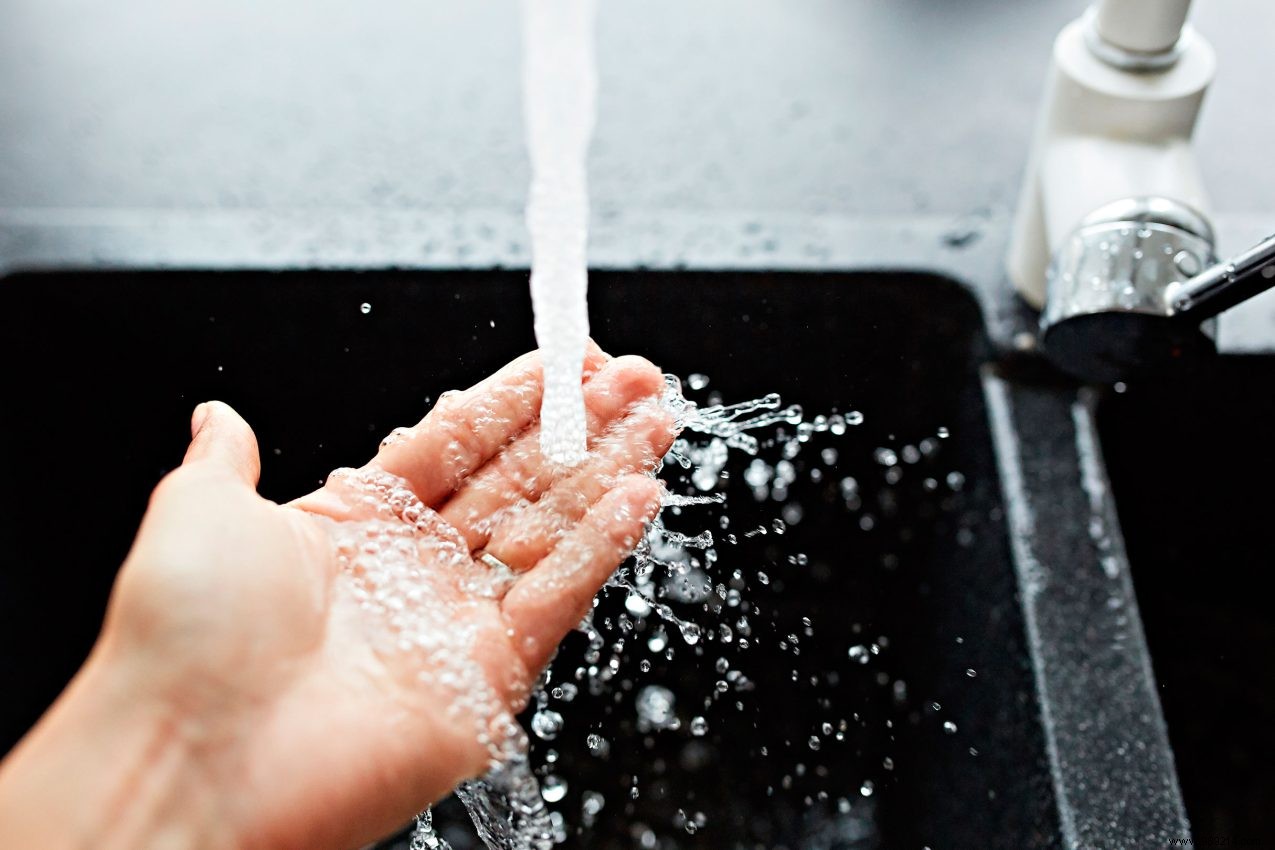
Seek a doctor or ER for deep cuts or heavy bleeding—leave disinfection to them. For abrasions or minor wounds you can handle at home, begin by rinsing under lukewarm running water for about 15 minutes to flush out debris. Some bleeding is beneficial for natural cleansing; apply disinfectant only to surrounding skin once it stops. Small wounds often heal best exposed to air, forming a protective crust without a plaster.
Caution! Disinfect only wounds you're fully treating yourself. Never rinse or disinfect those requiring medical evaluation.
Read also: Agents you can use to disinfect a wound
What not to use
Avoid ether or rubbing alcohol on wounds—they harm cells, cause burning, and delay healing. Reserve them for cleaning or degreasing intact skin around the area.
