Most people have experienced déjà vu—that striking sensation of reliving a moment. But what about its unsettling counterpart, jamais vu, or the "never-seen" feeling, where the familiar suddenly seems brand new?
Déjà vu strikes nearly two-thirds of people at some point, especially younger individuals under stress or fatigue. It breaks down into types like the already-lived (reliving a situation), already-felt (echoing a prior emotion), and already-visited (recognizing a new place as familiar).
Science hasn't pinned down a single cause, but theories abound. Distinguish pathological from everyday cases: temporal lobe epilepsy often triggers it at seizure onset, with abnormal neuron firing in the rhinal cortex beneath the hippocampus. Certain medications, like neuroleptics, can disrupt brain synchronization too.
Psychoanalytic views see it as an unconscious urge to revisit and "fix" past events. Psychological theories point to brief attention lapses: your brain stores perceptions subconsciously, creating a memory "echo" when focus returns. Neurologically, it may stem from desynchronized hemispheres processing the same scene at different speeds. Parapsychologists speculate premonitory dreams or past-life echoes.
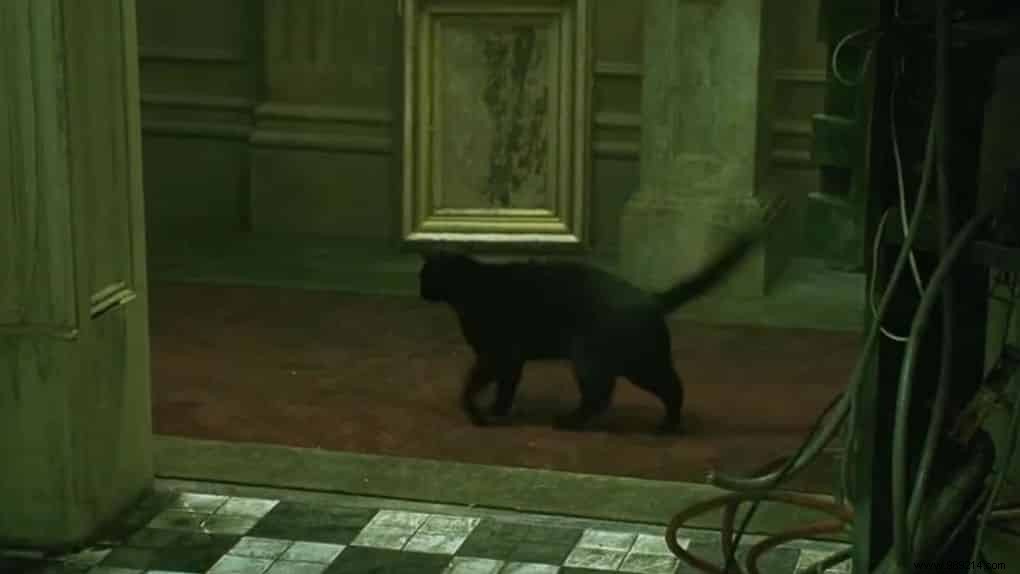
While déjà vu is common, jamais vu remains obscure. Imagine entering your childhood home's dining room, only for it to feel like a stranger's space.
Reddit users share chilling accounts: "I got off at my usual bus stop like in a foreign city—nothing looked right. Google Maps got me home." Another: "My room felt like a stranger's apartment until my dog approached, snapping me back." One even blanked on classmates and friends, feeling dreamlike dissociation.

Explanations are sparse, but University of Grenoble's Professor Chris Moulin induced it in a study: 92 volunteers wrote "door" 30 times in 60 seconds, with two-thirds reporting jamais vu symptoms. Those with recent déjà vu were most susceptible. Experts interpret this as a marker of mental fatigue.
