At Texas Children's Hospital, scientists developed Corbevax, an open-source COVID-19 vaccine designed to bridge global inequities amid the pandemic. Far more affordable than leading options, it has been largely overlooked—especially by the U.S. government—despite dedicated research efforts.
Amnesty International's September 2021 report exposed how wealthy nations monopolized COVID-19 vaccines, often in partnership with pharmaceutical giants. Countries like South Africa and India urged greater equity, but proposals to suspend patents protecting coronavirus vaccines stalled amid resistance from Western governments.
These patents have impeded fair access, particularly as virulent Delta and Omicron variants emerged from hard-hit regions like South Africa and India. As NPR detailed in a January 5, 2022 article, Texas Children's Hospital researchers created Corbevax—an open-source vaccine enabling low-income countries to produce affordable doses themselves. The team shared their technology freely, seeking no profits.
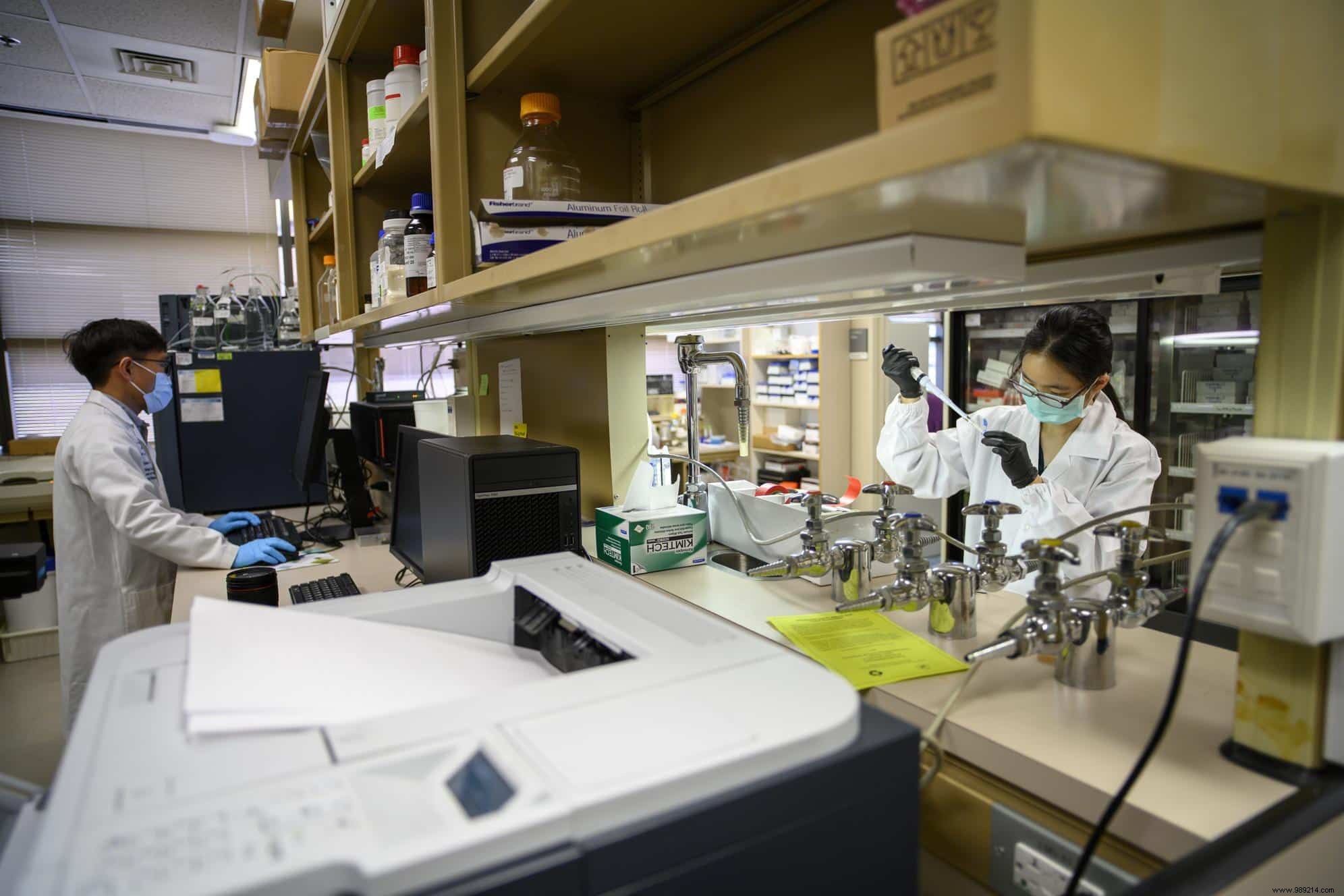
On December 28, 2021, India's government granted emergency approval for Biological E. Limited to produce Corbevax following encouraging early clinical trials. Priced at a fraction—about ten times cheaper than Moderna or Pfizer vaccines—it marks a step forward. Yet this success underscores a broader challenge: the U.S. and other affluent countries largely ignored the project.
Lead scientist Peter Hotez reached out across all levels of U.S. government, receiving few responses. While federal funding eventually supported some work, contributions from Tito's Vodka's philanthropic arm were far more substantial. Efforts to secure backing from the Bill & Melinda Gates Foundation also faltered; in 2020, foundation representatives even suggested selling Corbevax rights to AstraZeneca.
