Under scrutiny by U.S. investigators, the P4 laboratory at China's Wuhan Institute of Virology has sparked controversy over potential COVID-19 origins. French funding and collaboration raise questions about a possible virus leak.
A France Info investigation on April 17, 2020, highlighted the P4 laboratory at the Wuhan Institute of Virology—China's first such facility, operational since 2015 with significant French assistance. This stemmed from a 2003 agreement forged during the SARS outbreak to combat emerging infectious diseases.
Despite initial concerns from French bacteriological experts post-9/11 about transferring P4 technology—the highest level of biological safety—a 2004 pact proceeded.
A joint steering committee formed in 2008, led by Frenchman Alain Mérieux and Chinese official Chen Zhu. Construction began in 2010 with support from 15 French SMEs, though mostly executed by Chinese firms. Completed in 2015 for 250 researchers, China assumed full control, ending Mérieux's co-presidency.
French officials pledged technical and training expertise in 2017 for joint research, but it never materialized. Since then, operations have proceeded without external oversight, highlighting transparency issues.
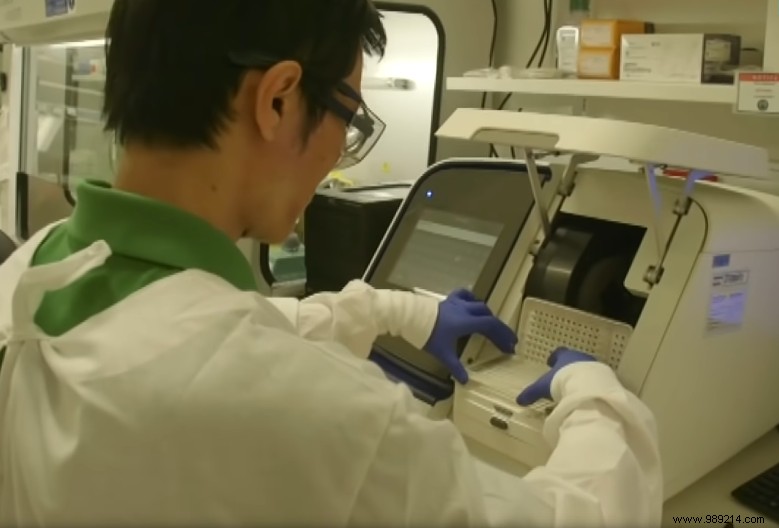
Operational since 2018, U.S. officials visiting the P4 lab flagged inadequate security amid bat coronavirus research. Recent U.S. probes focus on a possible leak, potentially involving Patient Zero or a staff member unknowingly spreading it in Wuhan.
The institute reported receiving a new coronavirus sample on December 30, 2019, sequencing it three days later, and notifying WHO on January 11. While many experts trace COVID-19 to bats via an intermediate host, lab-leak theories persist. Ongoing U.S. investigations may yield clarity.
