U.S. startup Codagenix is pioneering a live-virus COVID-19 vaccine candidate—a "deoptimized" version slowed to replicate inefficiently. This method may trigger a more robust immune response than traditional vaccines, though risks remain.
Over 200 COVID-19 vaccines were in development as of 2020, each with limitations like weak immune responses, side effects, or production challenges. As reported by MIT Technology Review on September 16, 2020, Codagenix stands out with a straightforward approach: injecting a weakened form of the authentic SARS-CoV-2 virus. By "deoptimizing" its genetic code, the virus replicates far less efficiently.
"Every virus—from flu and Zika to the common cold—relies on the host cell's ribosomes to translate its genome into proteins. Our algorithm recodes the viral genes' codons into a slower-read 'language' for those ribosomes," explains Codagenix.
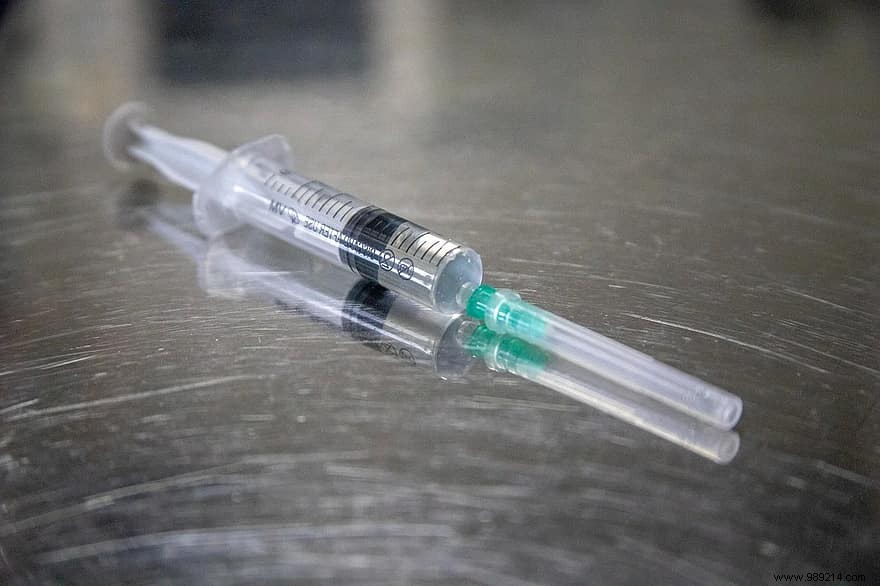
These deoptimized genes produce identical proteins to the wild virus but at reduced efficiency. Normally, SARS-CoV-2 can generate about 100 million copies in a cell within 24 hours. Codagenix's version makes half as many in lab tests—and potentially 1,000 times fewer in the human body. This slower pace allows the immune system more time to respond effectively. Less virulent yet presenting all viral antigens, it could outperform inactivated or subunit vaccines.
Unlike spike-protein-only shots, a live-virus vaccine exposes the body to the full pathogen, generating antibodies, T cells, and mucosal immunity in the nasal passages. If variants emerge, the foundational virus might still confer broad protection, potentially eliminating the need for frequent reformulations.
This mirrors time-tested live-attenuated vaccines for polio, chickenpox, and yellow fever, developed over decades. Traditionally attenuated in animal cells like chicken eggs, Codagenix's synthetic version skips that step.
Codagenix CEO Robert Coleman acknowledges the challenges: mutations require ongoing code adjustments. Leveraging AI, the company optimizes for safety and efficacy—but as with any live virus, risks like unintended reversion persist, demanding rigorous testing.
