Researchers at the University of North Carolina at Chapel Hill have developed a promising non-hormonal contraceptive method inspired by natural infertility in some women, using antibodies to neutralize sperm.
Ongoing scientific advancements continue to explore innovative contraception options. In 2019, a US lab introduced a hormone-free contraceptive gel, offering hope to women seeking relief from hormonal side effects. Building on this, a study published in Science Translational Medicine on August 11, 2021, by experts from the University of North Carolina at Chapel Hill highlights a novel approach rooted in immune responses observed in certain infertile women.
In these women, the immune system produces antibodies that target and neutralize sperm—cells recognized as foreign invaders—preventing conception without medical intervention. While this natural phenomenon causes infertility for some, it holds tremendous potential as an alternative to existing contraceptives for others.
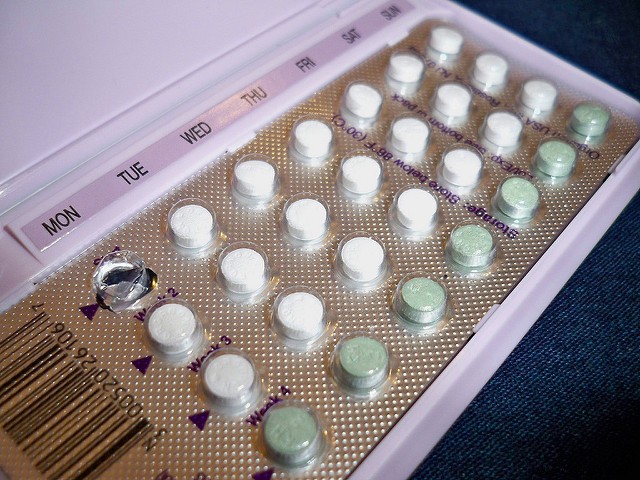
“Many women face risks of unintended pregnancy due to medical contraindications or dissatisfaction with current methods, including side effects from exogenous hormones,” the researchers note.
The team isolated "sperm-binding monoclonal antibodies" and enhanced them by adding 6 to 10 antigen-binding fragments common to human sperm. These modified antibodies proved 10 to 16 times more effective at neutralization. Although human trials are pending, vaginal administration in sheep yielded remarkable outcomes: just 33 g of the product neutralized 99.9% of spermatozoa.
If validated in women, this innovation could transform family planning options. Next steps involve rigorous testing for efficacy and safety to match these preclinical results.
