MIT scientists have leveraged a cutting-edge AI algorithm to identify a highly effective new antibiotic, offering hope in the battle against drug-resistant superbugs.
Since their development in the 1920s, antibiotics have saved millions of lives from bacterial infections. However, bacteria have evolved resistance through overuse, rendering many once-effective treatments useless today.
This poses a severe public health crisis. Experts estimate that superbugs could claim up to 10 million lives annually by 2050 without new solutions.
Combating antibiotic resistance requires discovering novel molecules, but this process is both expensive and protracted. Research often focuses on a limited range of chemical compounds, leading to new drugs that resemble existing ones.
To truly address resistance, we need faster methods to identify diverse compounds—enter artificial intelligence.
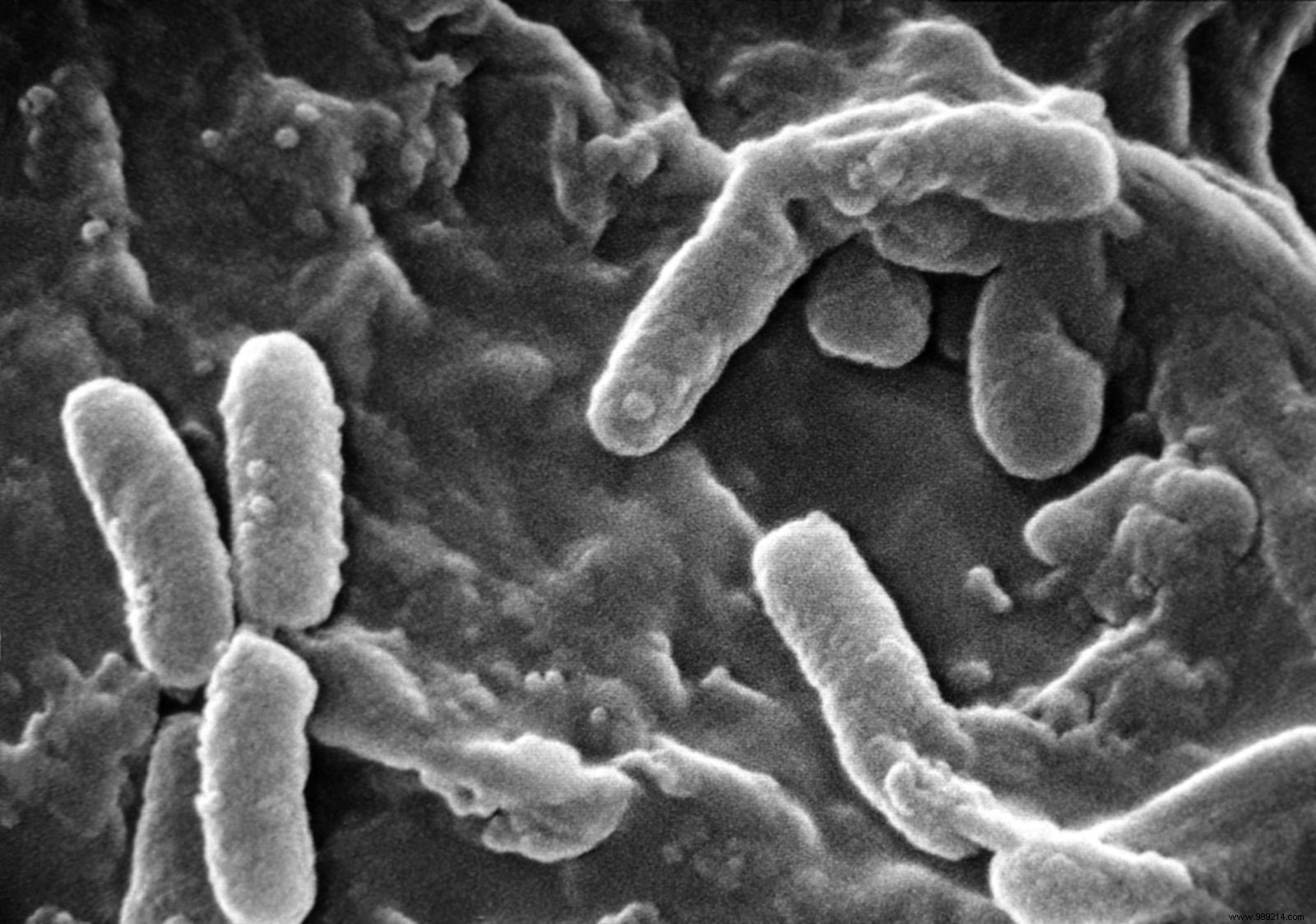
In a study published in Cell, MIT's Regina Barzilay and James Collins trained a machine-learning algorithm to detect traits of compounds lethal to E. coli.
They then screened a database of about 6,000 pharmaceutical compounds, where the AI pinpointed a diabetes drug called halicin.
Despite its primary use in diabetes research, the algorithm predicted halicin's antibiotic potential based on its unique chemical structure.
Testing confirmed its power: halicin eradicated multiple resistant bacterial strains in Petri dishes within hours, sparing all but one.
Further, in mice infected with fully resistant A. baumannii, halicin cleared the infection in under 24 hours—remarkable results amid rising resistance.
“We built a platform harnessing AI to revolutionize antibiotic discovery,” said James Collins. “It uncovered halicin, arguably one of the most powerful antibiotics ever found.”
Halicin likely acts via novel mechanisms unfamiliar to bacteria, and it's non-toxic to human cells. The team aims for clinical trials soon.
Source
Related articles:
