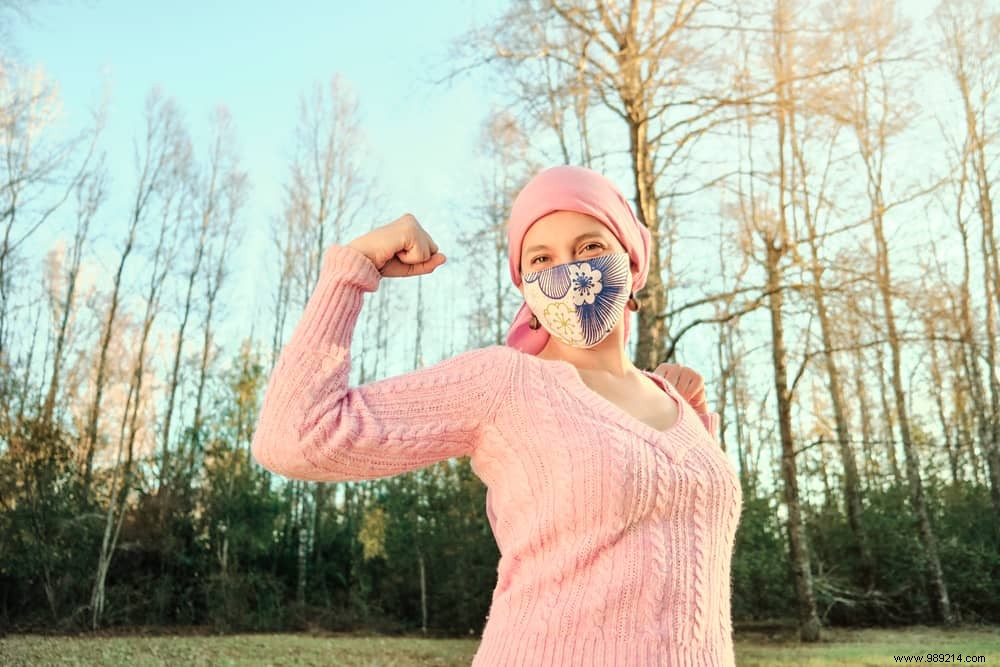
Cancer ranks as the second leading cause of death worldwide. On February 4th, World Cancer Day raises awareness about this critical health issue, empowering us with knowledge to detect, treat, and prevent it—especially vital amid ongoing health challenges where screenings might be overlooked.
Cancer affects people of all ages and genders. Globally, it claims 9.6 million lives annually, including about 150,000 in France—more than double the COVID-19 fatalities.
In France, incidence is rising: over 200,000 new cases in men yearly (prostate, lung, colorectal most common) and around 175,000 in women (breast, colorectal, lung). Yet, at least one-third of cases are preventable.
What is cancer?
Cancer involves uncontrolled growth of abnormal cells forming a tumor (except in leukemia). Types include carcinomas (e.g., breast, lung), sarcomas (bones, soft tissues), lymphomas/myelomas (immune cells), leukemias (blood/spinal cord), and brain tumors. For more, visit the ARC Foundation.
Cancer often stems from combined factors. Unchangeable ones include genetics, age-related cell errors, and weakened immunity (e.g., in AIDS). Modifiable 'environmental' factors offer real prevention opportunities.
Quit smoking!
Tobacco causes 22% of cancer deaths. Effective strategies include:
Free tools like Tabac Info Service app provide personalized support, expert consultations, and motivators like savings trackers.
Limit alcohol
Even moderate intake raises risks for cancers like liver, mouth, breast, and stomach. Breast risk starts at one drink daily; liver at four. Track with apps like Alcoometer, reserve for occasions, and consult an addictologist if needed.
Adopt a healthier lifestyle
Obesity links to 12+ cancers. Focus on balanced diets low in red meat, charred fats, and sugars; prioritize exercise, ideally outdoors. Home apps like 30 Days Fitness Challenge help. Obesity qualifies as an ALD for subsidized gym access.
Protect against viruses
Vaccinate for hepatitis B (liver cancer risk). HPV vaccination (pre-sexual activity) and annual smears (then every 3 years) prevent cervical cancer. Since 2021, boys 11-14 are eligible.
Avoid harmful exposures
Minimize occupational risks like chemicals (lead, asbestos) or radiation. Use SPF 30+ sunscreen (total block for sensitive skin/children) to prevent skin cancer.
Support your well-being during treatment
Cancer disrupts life, but exercise reduces fatigue and side effects. Image consultations aid morale; wigs are reimbursed up to €350 by Social Security.
The INCa-endorsed My Screening app tracks risks and appointments.
For women:
For men:
For all:
50-74: Biennial colorectal test kits (90% curable if early). Join May's skin cancer screening week.
Steer clear of unproven claims:
World Cancer Day reminds us: over one-third of cancers are curable today, with 80%+ 5-year survival for melanoma and breast cancer. Prioritize screenings for prostate, breast, and colorectal.
Source:
https://www.worldcancerday.org/en/what-is-cancer
https://www.ligue-cancer.net/article/26089_les-chiffres-cles-des-cancers
https://www.e-cancer.fr/Comprendre-prevenir-depister/Se-faire-depister/Centres-regionaux-de-coordination-des-depistages-des-cancers
https://www.ameli.fr/assure/sante/themes/cancer-sein/depistage-gratuit-50-74-ans
https://www.e-cancer.fr/Comprendre-prevenir-depister/Reduire-les-risques-de-cancer/Alcool?%3fgclid=CjwKCAiAo5qABhBdEiwAOtGmbln4uZ564-HvPRfE3lpYZdnEreOTlQynW3BOR7PgLokUF1EQJU7dJxoCCQ0QAvD_BwE
https://mon-cancer.com/articles-blog/quel-sport-pratiquer-pendant-et-apres-un-cancer/
