The Arte documentary 'La Grande Malbouffe,' aired in early February, reveals alarming practices by major food brands. To cut costs and boost profits, they employ clever tactics—at the expense of consumer health. Here's a breakdown of the key revelations from this eye-opening film.
A traditional cordon bleu uses just five simple ingredients: turkey or chicken fillet, bacon, cheese, breadcrumbs, and egg. Yet industrial versions balloon to 30 ingredients, primarily additives.
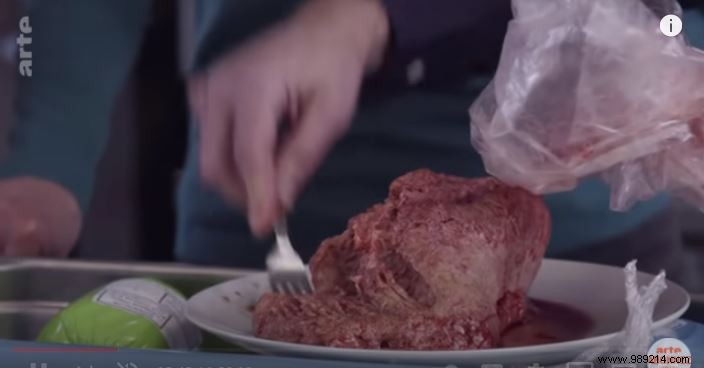
To slash costs and maximize margins, brands reduce meat quantity and quality. Premium fillets give way to reconstituted meat preparations. These are agglomerated mixtures held together with additives like wheat fiber for structure and appearance—despite lacking real muscle fibers. Lower costs mean drastically reduced quality.
In some European countries, budget brands use MSM (mechanically separated meat)—scraps from carcasses turned into a paste. This bears little resemblance to real meat and is banned in France.
Even the cheese isn't spared: it includes melting salts for shine and elasticity, potentially raising cardiovascular risks.
Among food additives, E171 (titanium dioxide) has drawn intense scrutiny. Banned in France since 2020, it's common in candies, giving chewing gum its glossy finish. It's also used in paints and sunscreens.
Health concerns stem from its nanoparticles, which can penetrate tissues, enter the bloodstream, and accumulate in organs. Rat studies showed precancerous lesions after 100 days of exposure.
Risks extend beyond E171. France authorizes 330 additives individually, but their combinations may pose serious health threats.
Freshly squeezed pineapple juice foams naturally. Supermarket versions don't—thanks to processing aids like anti-foaming agents.
These are substances used in production but not listed as ingredients, evading labeling and regulatory scrutiny.
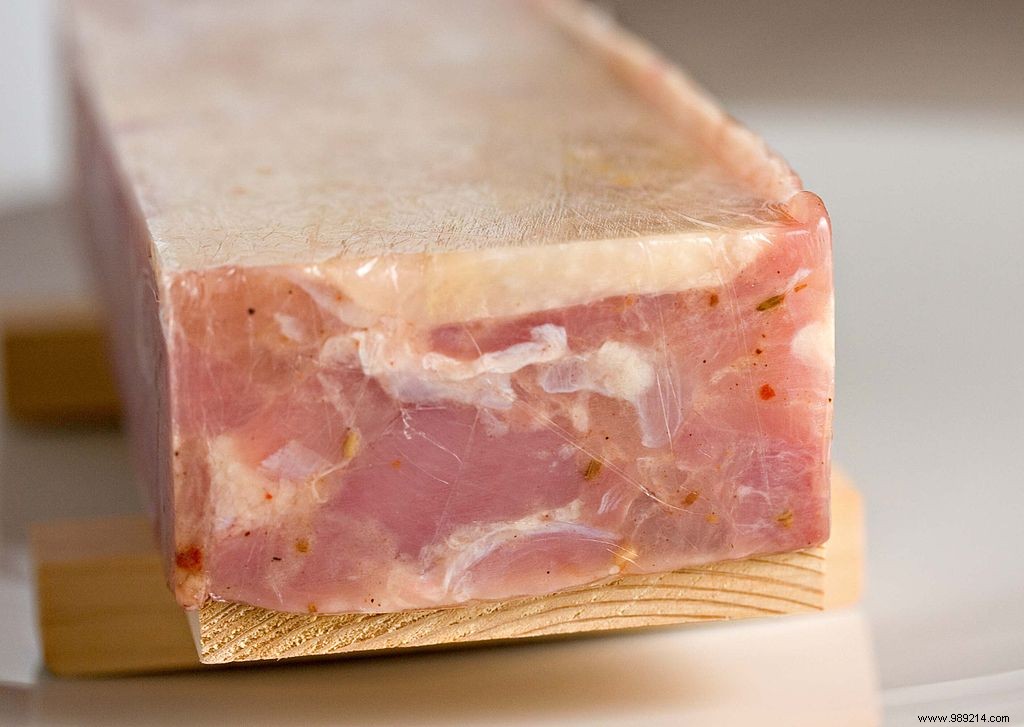
Examples include transglutaminase (TG), or 'meat glue,' an enzyme that binds protein-rich pieces. It enables seamless products like casing-free sausages or mixed meats (beef and chicken).
