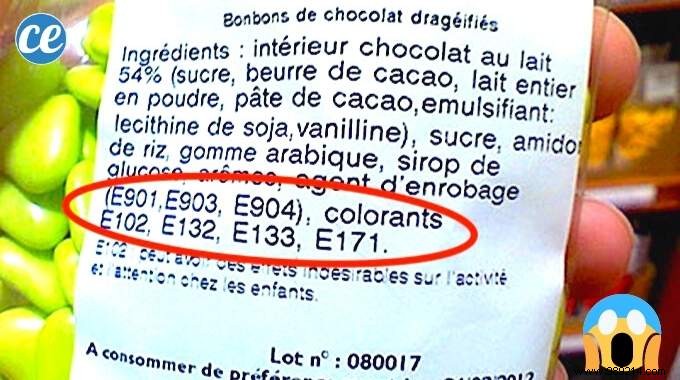
Food additives, often labeled as 'E' numbers, are common in processed foods. While regulated, some raise health concerns based on scientific studies and expert analyses. As a nutrition guide drawing from sources like Corinne Gouget's Food Additives: The Essential Guide and WHO reports, here's what to know.
Check ingredient lists carefully—especially on supermarket products—to spot these.
Below is a curated list of 20 concerning food additives. Print this reference for shopping:
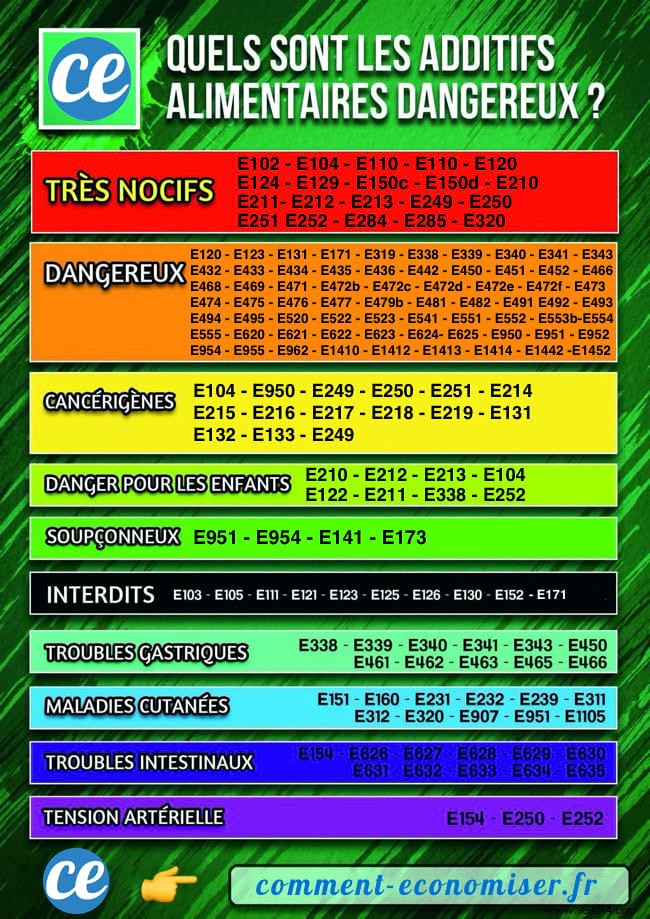
Download the PDF version for easy reference during grocery runs.
Opt for whole foods like flour, sugar, and eggs over products loaded with questionable additives—especially for children's health.
- E102
- E104
- E110
- E120
- E124
- E129
- E150c
- E150d
- E210
- E211
- E212
- E213
- E249
- E250
- E251
- E252
- E284
- E285
- E320
E120 - E123 - E131 - E171 - E319 - E338 - E339 - E340 - E341 - E343 - E432 - E433 - E434 - E435 - E436 - E442 - E450 - E451 - E452 - E466 - E468 - E469 - E471 - E472b - E472d - E472e - E472f - E473 - E474 - E475 - E476 - E477 - E479b - E481 - E482 - E491 - E492 - E493 - E494 - E495 - E520 - E522 - E523 - E541 - E551 - E552 - E553b - E554 - E555 - E612
E104 - E950 - E249 - E250 - E251 - E214 - E215 - E216 - E217 - E218 - E219 - E131 - E132 - E133
E210 - E212 - E213 - E104 - E122 - E211 - E338 - E252
E951 - E954 - E141 - E173
E103 - E105 - E111 - E121 - E123 - E125 - E130 - E152 - E171
E338 - E339 - E340 - E341 - E343 - E450 - E461 - E462 - E463 - E465 - E466
E151 - E160 - E231 - E232 - E239 - E311 - E312 - E320 - E907 - E951 - E1105
E154 - E626 - E627 - E628 - E629 - E630 - E631 - E632 - E633 - E634 - E635
E154 - E250 - E252
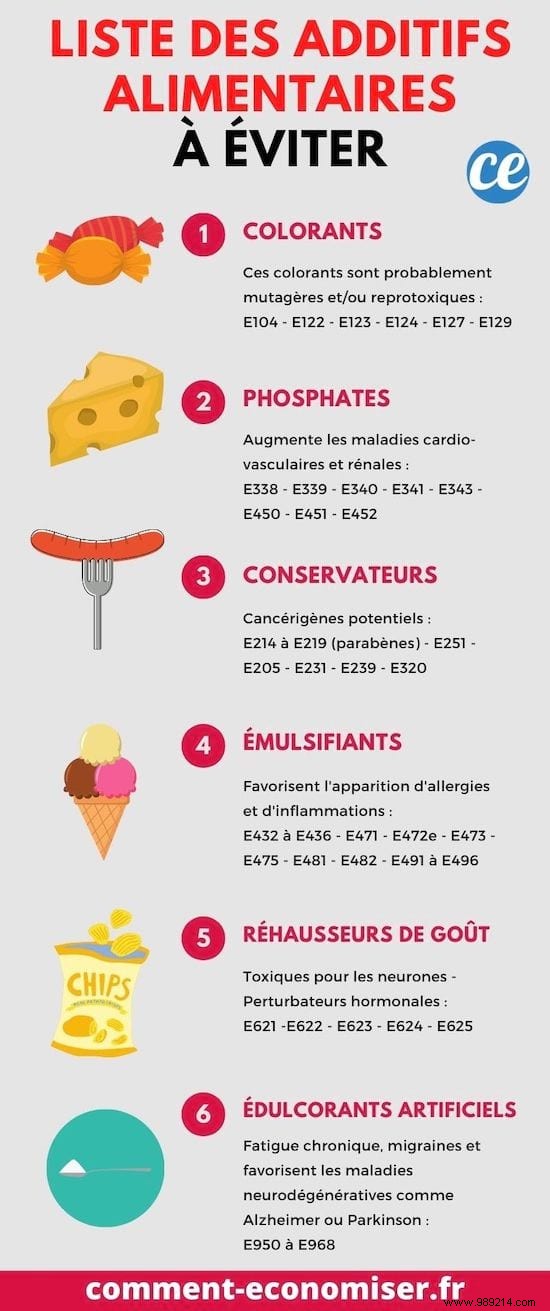
Download this full list in PDF.
Not all additives are risky. Natural ones like beta-carotene (E160a from carrots), turmeric (E100), caramel (E150), and paprika (E160c) are generally safe and appear even in organic foods.
Monosodium glutamate (E621, E622-E625) boosts flavor in chips, sauces, and ready meals. However, high intake may affect neurons, appetite regulation, blood sugar, and brain health—especially in children. Try homemade potato peel crisps for a natural alternative.
Codes E100-E199 color foods vibrantly (e.g., E124 red). Synthetic dyes like quinoline yellow, cochineal, and blue are linked to hyperactivity, behavioral issues, headaches, and cancer risks per studies. Note: E171 (titanium dioxide) banned in EU foods since 2020.
E200 series extend shelf life but include parabens (hormone disruptors), nitrates/nitrites (E249-E252, probable carcinogens per WHO, linked to colorectal cancer and asthma), and sodium benzoate (E211, tied to child hyperactivity and allergies). Common in sodas, jams, meats.
E450, E451, E452 may contribute to heart, kidney issues, and cancer at high levels. Found in sodas, processed cheeses, meats, baked goods.
E491-E495 provide texture in ice cream and yogurt but may alter gut flora, increase intestinal permeability, and raise risks of inflammation, allergies, diabetes, and colon cancer.
E950-E968 (aspartame, sucralose, etc.) offer zero calories but are associated with fatigue, migraines, and neurodegenerative risks. Explore better sugar substitutes.

Armed with this guide, make informed choices. Consult Corinne Gouget's book or additive databases for details. Prioritize short ingredient lists, organic options, and home cooking for wholesome, cost-effective meals.
Do you check for these additives? Share in the comments!
