Hyperbaric chambers are a staple in scuba diving to prevent decompression sickness. Now integrated into medicine, some North American private clinics promote oxygen therapy sessions for wrinkle reduction—but does the science support it?
Since the late 19th century, hyperbaric chambers have been used in scuba diving to counter the harmful effects of rapid pressure changes during deep dives and ascents. These changes can trigger decompression sickness, where gas bubbles form in the body, leading to symptoms like temporary hearing loss, dizziness, joint pain, numbness, memory issues, unconsciousness, shortness of breath, and more.
By simulating increased pressure, hyperbaric chambers shrink these gas bubbles, allowing safe decompression. Divers aren't alone in facing these risks—high-altitude pilots, astronauts post-spacewalk, and compressed-air workers experience similar issues.
As detailed in a March 1, 2021, article by Agence Science-Presse, hyperbaric oxygen therapy has expanded into medicine. It delivers oxygen concentrations up to 100%—far exceeding the 21% in normal air.
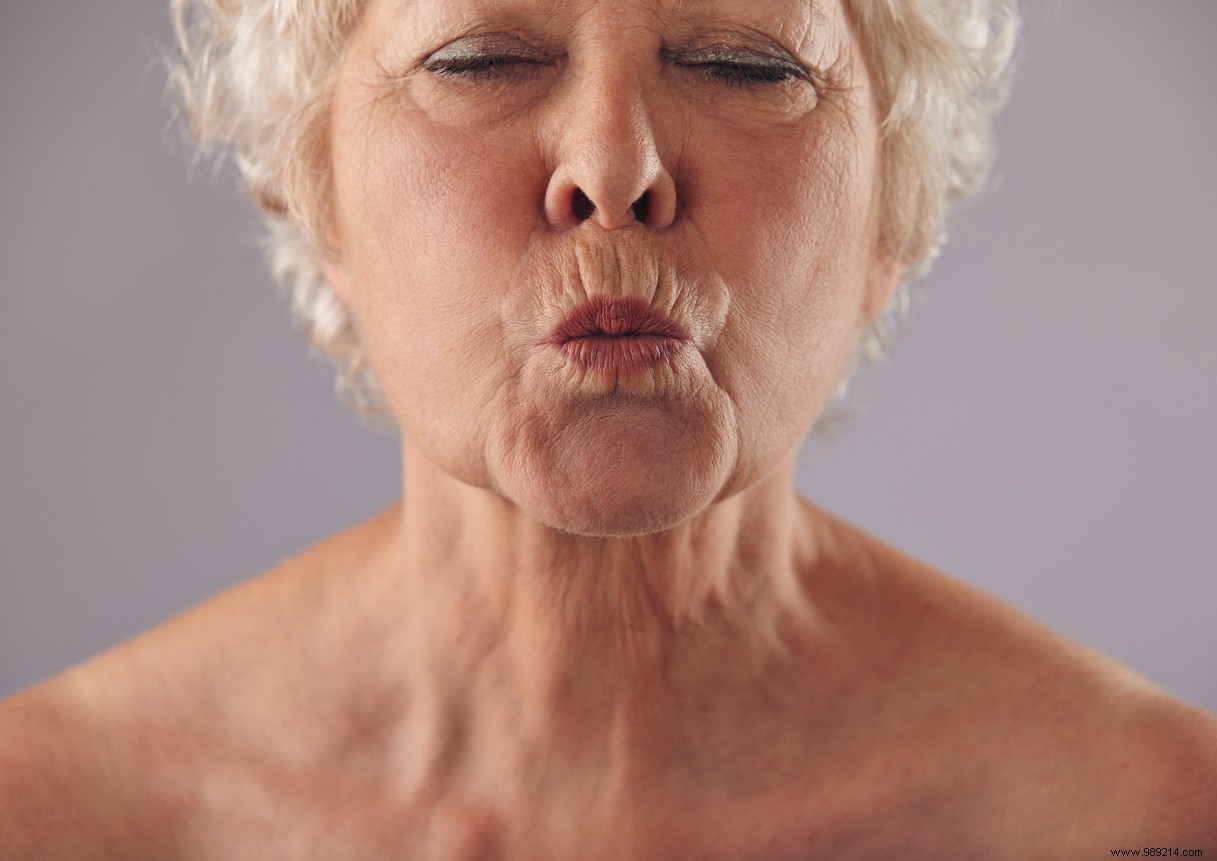
Medical research shows high-oxygen therapy can speed post-surgical healing by promoting new blood vessel growth and tissue repair molecules. However, some clinics across the Atlantic market it for wrinkle reduction—a use not among Health Canada's 14 approved conditions.
These clinics offer 1-2 hour sessions but provide no clear mechanisms for wrinkle reduction and lack supporting scientific studies. It's akin to unproven miracle creams.
Hyperbaric therapy isn't risk-free. Studies cited by Agence Science-Presse report skin burns in animals, ear trauma in about 2% of human patients, and even fatalities from fires ignited by sparks in oxygen-rich environments.
