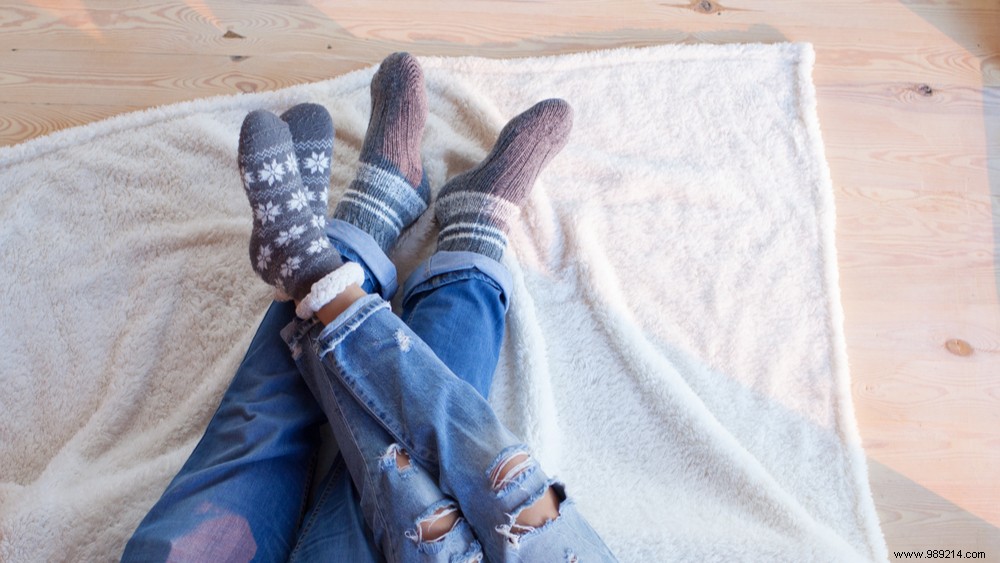
In cold, humid weather, chilblains—blue-red swellings on your feet—can cause intense itching and pain. As experts in dermatological care, we've outlined practical steps based on proven advice to help you manage and prevent them effectively.
Chilblains typically develop at temperatures between 10-15°C, when sudden shifts from warm indoors to cold outdoors stress your circulation. Minimize these transitions by layering up before heading out and steering clear of direct heat sources like stoves or fireplaces.
Read also: “5 tips against swollen feet”
Wear multiple layers for insulation, preheat gloves if needed, and choose well-fitting winter boots that don't pinch—tight shoes can worsen symptoms.
Your heart pumps oxygen-rich blood throughout your body, but pressure weakens toward the extremities like hands and feet. Poor flow leads to blood pooling, triggering chilblains' itch and discomfort.
Stay active to stimulate blood flow. Before venturing into the cold, spend 30 minutes moving—simple tasks like vacuuming, dusting windowsills, or folding laundry work wonders.
Enhance circulation with alternating baths, circulation-boosting devices, or chilblains-specific creams and gels. While scientific evidence varies, many find relief through these methods.
For alternating baths, soak feet or hands in warm water for 3 minutes, then cold for 30 seconds, ending with 3 minutes warm. Start in early fall (e.g., September) to condition vessels. Avoid once chilblains appear, as it may aggravate them—proceed cautiously.
Chilblains thrive in cold, damp conditions, so dryness is key.
Opt for waterproof leather boots over non-breathable plastics. Pair with wool or cotton socks that wick moisture without irritating skin. Use shoe trees post-wear to speed drying and airing.
Source: Santé January 2019 | Text: Mara Ruijter
