A woman in Japan contracted COVID-19 twice within a month, underscoring a critical reality: recovery from the virus does not confer lasting immunity.
According to a Reuters report published on February 27, 2020, a tourist guide from Osaka, Japan—who frequently interacts with visitors—became the first known person in the country to experience reinfection with the coronavirus. She tested positive on January 29, was discharged from the hospital on February 6, and tested positive again on February 26.
This development heightened concerns in Japan, which at the time reported 891 confirmed cases, including 705 from the Diamond Princess cruise ship. The surge in South Korea added to regional anxiety. In response, Prime Minister Shinzo Abe ordered the temporary closure of public schools starting the following Monday to curb transmission. New protocols now include monitoring of recovered patients.
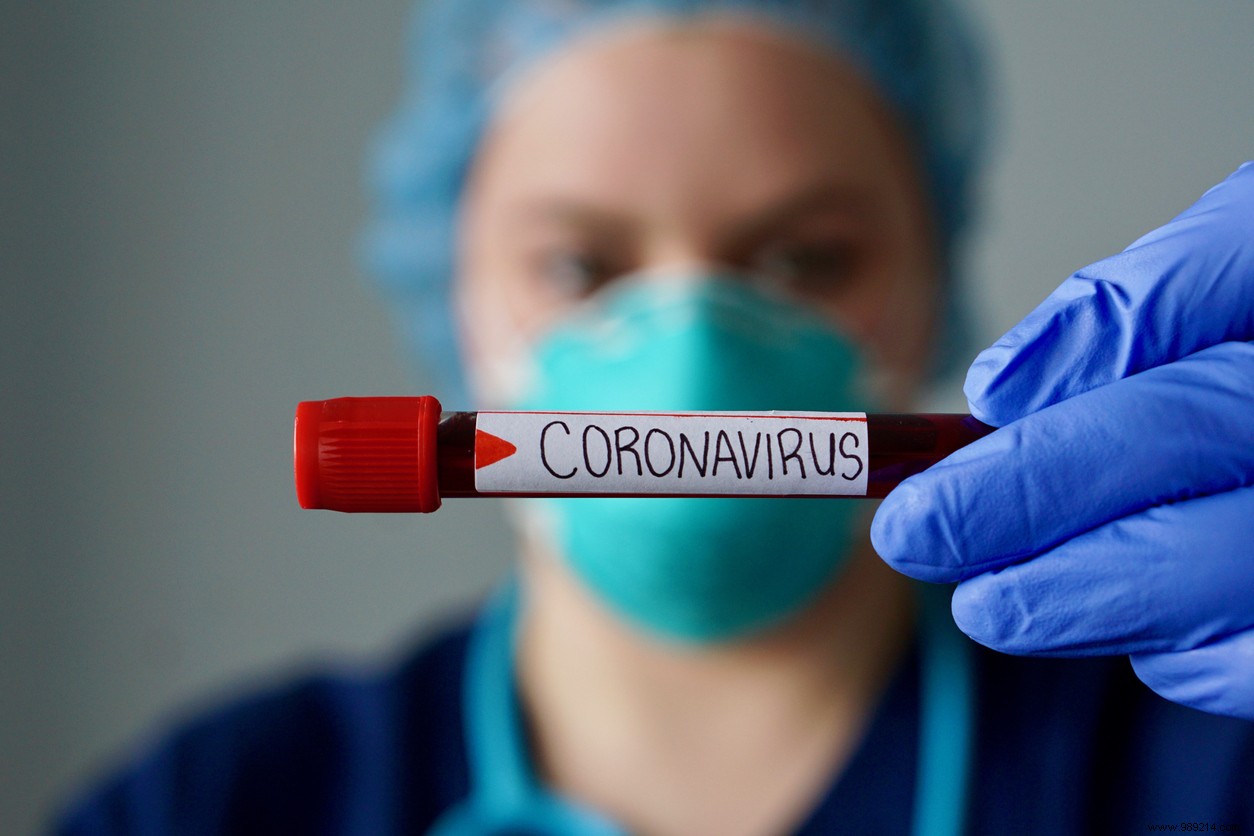
British physician Dr. Babak Ashrafi, speaking to Metro UK, explained:
"Experts are studying immune responses in infected individuals to determine duration of immunity. When you contract a virus, your body learns to fight it, but over time, it may forget, allowing immunity to wane after the initial infection."
Earlier, on February 2, 2020, Dr. Zhan Qingyuan, head of infectious diseases at Beijing's China-Japan Friendship Hospital, noted:
"Antibodies from infection don't persist long in the blood, so recovered patients remain at risk and should continue protective measures."
Global figures at the time showed 82,455 cases and 2,811 deaths, with 32,765 recoveries. Emerging hotspots in South Korea, Italy, and Iran reported 1,766, 447, and 245 cases respectively, alongside 13, 14, and 26 deaths.
Source
Related Articles:
