Serological tests detect antibodies in the blood to gauge immunity against COVID-19. However, their limitations mean many cases go undetected, suggesting the true number of infections exceeds current estimates.
Herd immunity occurs when enough people are immune, preventing widespread virus transmission. The World Health Organization (WHO) estimates this threshold at 60% to 70%. Yet, we're far from reaching it. A July 27, 2020, opinion from France's Covid-19 Scientific Council reported that the first wave infected just 4.4% of the French population, rising to around 10% in some regions. These figures rely on serological tests, but a September 3, 2020, editorial in the British Medical Journal (BMJ) argues they underestimate true SARS-CoV-2 seroprevalence.
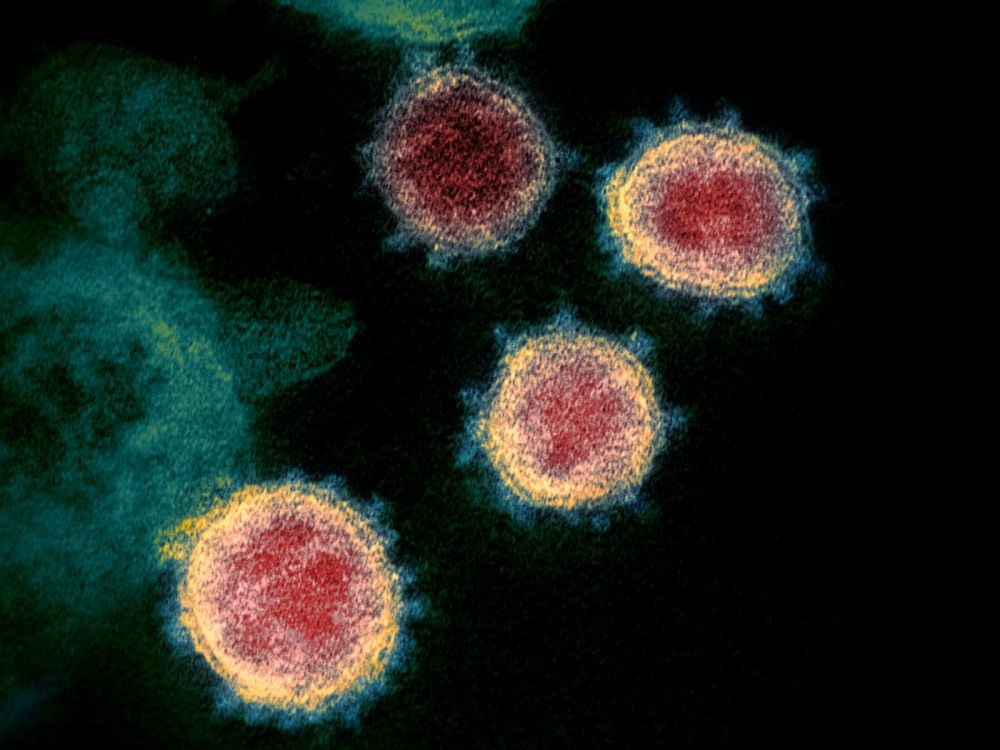
In the US, the Food and Drug Administration (FDA) has approved 24 serological tests, but six detect only the nucleocapsid—the virus's envelope. A June 2020 preprint highlights that targeting the "spike" glycoprotein yields more accurate results, as these spikes in the blood indicate prior coronavirus exposure but are often missed.
Most tests focus on IgG and IgM antibodies in the blood, overlooking IgA, which plays a crucial role in mucosal immunity in the respiratory tract. Studies support this: a May 2020 Luxembourg test found IgA in 11% of samples versus 1.9% for IgG.
Immune responses vary widely. A June 2020 British study found 2% to 8.5% of infected patients produce no detectable antibodies, yet T-cell immunity or cross-immunity from common cold coronaviruses may protect them.
In summary, the actual number of SARS-CoV-2 infections likely surpasses estimates, with implications for herd immunity assessments.
