A Chinese study reveals that individuals with blood type O may have stronger natural defenses against COVID-19 compared to other blood types. Here's the science behind it.
Factors like age, cardiovascular disease, respiratory conditions, diabetes, and obesity are known to elevate COVID-19 mortality risk. Emerging research suggests blood type also plays a role. A recent study from China highlights how it influences susceptibility to SARS-CoV-2.
Blood types are determined by antigens and antibodies on red blood cells: A, B, AB, and O.
– Type A: A antigen, anti-B antibodies.
– Type B: B antigen, anti-A antibodies.
– Type AB: A and B antigens, no anti-A or anti-B antibodies.
– Type O: No A or B antigens, anti-A and anti-B antibodies.
Chinese researchers analyzed blood types from 2,100 COVID-19 patients across three hospitals in Wuhan and Shenzhen (10% fatal cases) and compared them to 3,694 uninfected Wuhan residents.
Among healthy residents: 32.16% type A, 24.90% type B, 9.10% type AB, 33.84% type O. Infected patients: 37.75% type A, 26.42% type B, 10.03% type AB, 25.80% type O.
Key finding: Type O individuals had a 33% lower infection risk. Type A showed a 20% higher risk (other types similar).
These results align with patterns seen in the 2003 SARS outbreak. Jacques Le Pendu, PhD, Research Director at Inserm, was "not surprised" by the data. His 2008 study explained similar blood type sensitivities via antibodies.
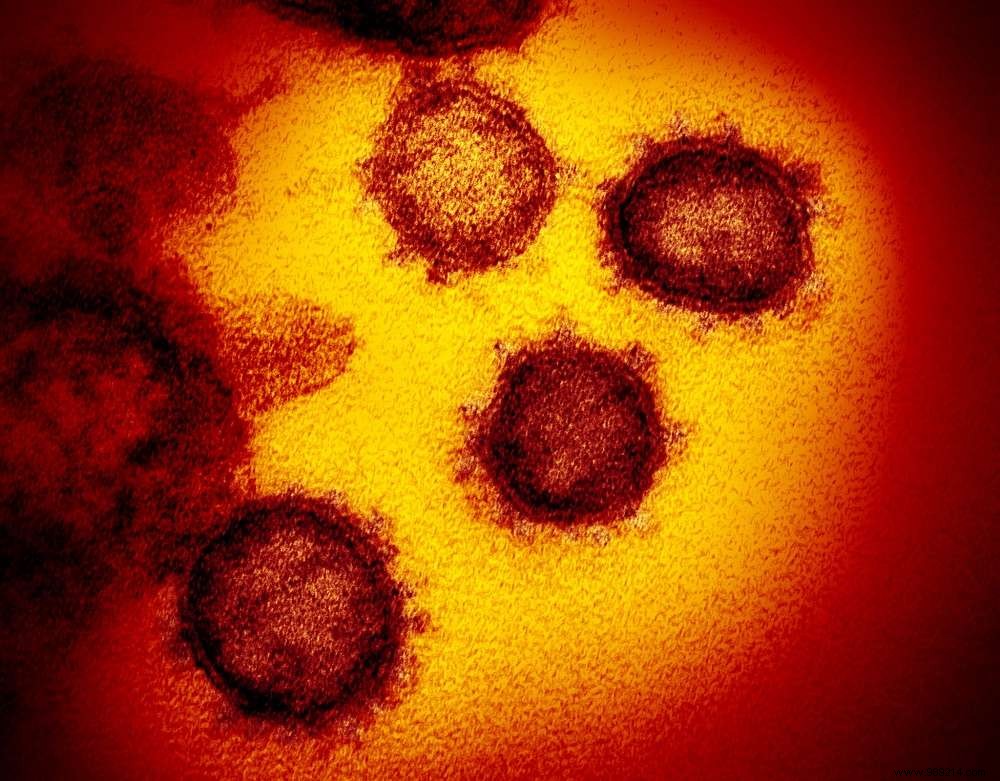
Type O's dual anti-A and anti-B antibodies provide broader protection than type A's anti-B or type B's anti-A alone. These antibodies hinder the virus's spike (S) protein from binding to the ACE2 receptor, limiting replication.
This mechanism slightly slows transmission, per modeling by Le Pendu's team. Note: Antibody levels in type O can decline with age.
"Microbiota bacteria could help build these antibodies via probiotics," suggests Le Pendu. "It's theoretical but worth exploring as a complement to lockdowns."
Source
