Experts warn that without changes to human behavior, COVID-19 won't be our last pandemic—and they could become more frequent. Can we reverse this trajectory? A landmark IPBES report offers evidence-based solutions.
Is COVID-19 a harbinger of a pandemic-dominated era? A comprehensive report from the Intergovernmental Science-Policy Platform on Biodiversity and Ecosystem Services (IPBES), released October 29, 2020, suggests it could be. Drawing from 700 scientific studies, the analysis identifies 1.7 million undiscovered viruses in mammals and birds, with 631,000 to 827,000 potentially capable of infecting humans.
This marks the sixth major pandemic since the 1918 Spanish flu, driven primarily by human activities despite animal origins. IPBES experts urge a fundamental shift in our lifestyles to avert more frequent, faster-spreading, and deadlier outbreaks than COVID-19.
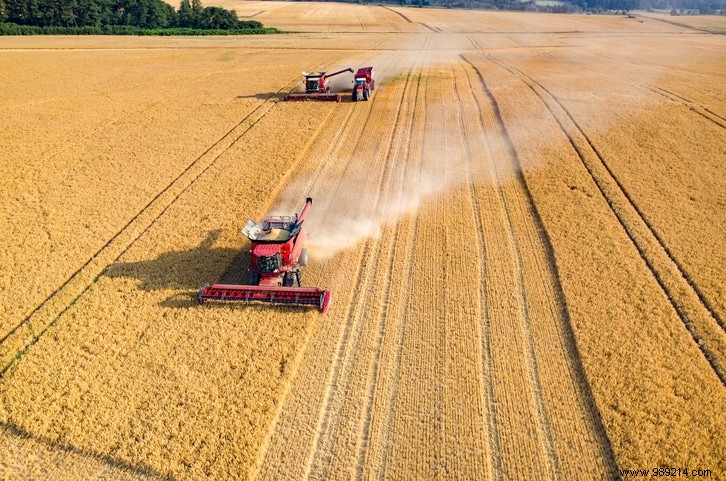
Key drivers include agricultural expansion and intensification, alongside unsustainable trade, production, and consumption that disrupt ecosystems. This heightens contacts between wildlife, livestock, pathogens, and people. Governments often respond reactively to these global threats, but prevention is critical.
Reacting post-outbreak—developing vaccines and managing crises—is slow, uncertain, and devastating. The COVID-19 pandemic alone has cost the world between $8 trillion and $16 trillion through July 2020, with U.S. losses projected at $16 trillion by Q4 2021.
Proactive prevention is 100 times more cost-effective than crisis response, per IPBES. Recommended actions include establishing an intergovernmental council for pandemic prevention, curbing global agricultural expansion and trade through regulations and incentives.
Ultimately, reducing human activities that erode biodiversity minimizes risky human-livestock-wildlife interfaces, slashing pandemic risks dramatically.
