A summer 2020 study by French researchers urges caution in fingering the pangolin for COVID-19. Once the ideal suspect, SARS-CoV-2's origins remain elusive, keeping all hypotheses alive.
Scientific consensus holds that SARS-CoV-2 originated in bats, with no direct transmission to humans documented. An intermediate host is likely. A February 2020 Chinese study flagged the pangolin as a potential intermediary.
Published on the medicine/sciences (m/s) platform August 10, 2020, a review by Étienne Decroly—virologist and CNRS research director—acknowledges the pangolin's plausibility but notes its genome aligns with SARS-CoV-2 by only 89%.
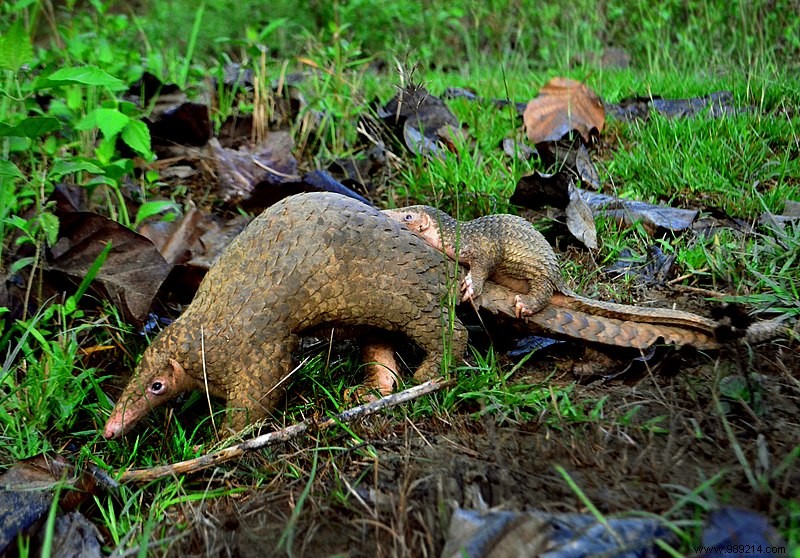
The pangolin isn't pandemic ground zero, yet human transmissibility puzzles persist. How did a bat-centric virus cross species barriers? Decroly calls these recombination mechanisms enigmatic, urging more samples from wild and domestic animals to decode its genesis.
He raises alternatives: SARS-CoV-2 may have adapted to humans years ago, circulated silently, then mutated for better spread.
Decroly deems lab accidents viable too—labs can synthesize viruses in weeks. Echoing a U.S. probe, Patient Zero might have been a Wuhan Institute of Virology P4 worker who unwittingly released it. Lacking proof, he stresses scrutinizing virus-reconstruction tools.
