A recent Chinese study published in Physics of Fluids shows that flushing a toilet with the lid open propels thousands of tiny water droplets up to one meter away—enough to contaminate nearby surfaces and people. Experts strongly recommend closing the lid first to minimize this risk.
Although fecal-oral transmission of COVID-19 lacks full scientific consensus, evidence is growing. Wastewater treatment workers face elevated exposure, but simple home precautions can make a difference, according to the June 16, 2020, study in Physics of Fluids.
Researchers demonstrated that an open-lid flush projects droplets up to one meter, readily spraying the user and surrounding surfaces. The straightforward fix: Always lower the seat and lid before flushing.
University of Nebraska microbiologist Prof. Joshua L. Santarpia highlighted the findings in a New York Times article the next day. He affirmed that toilet-generated aerosols have long been recognized but often overlooked, praising the study for raising awareness of practical measures.
Why the concern? Some COVID-19 cases involve diarrhea, nausea, or vomiting, allowing the virus to enter bodily fluids that reach toilets and fixtures.
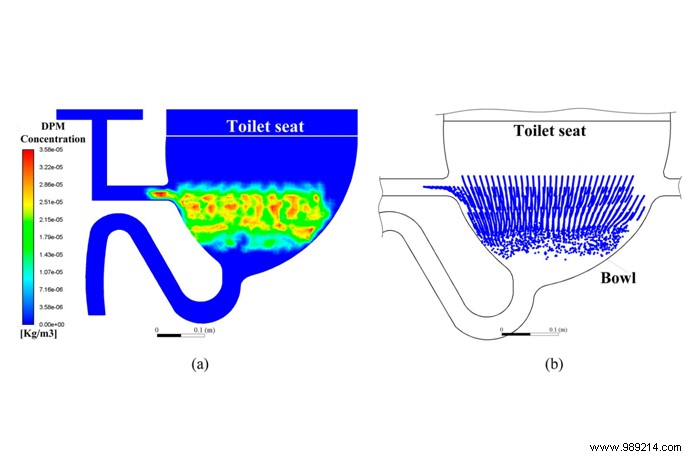
Viral loads here may be lower than in respiratory droplets, yet transmission risk persists. Alarmingly, each flush can eject up to 6,000 water droplets.
In public restrooms, additional steps include keeping your mask on, minimizing surface contact (never touch your face), stepping away from automatic flushes promptly, and thoroughly washing hands every time.
