Caused by the SARS-CoV-2 virus, COVID-19 primarily triggers acute respiratory illness but manifests in a wide range of symptoms far beyond the lungs, as clinicians worldwide have documented since the pandemic's onset.
Though the precise origin of COVID-19 in humans remains under debate, physicians continue to identify new symptoms, particularly in patients lacking "classic" respiratory signs yet testing positive. An article in The Washington Post on May 10, 2020, compiled these findings. It highlighted how the virus inflames and obstructs pulmonary alveoli, sometimes leading to pulmonary embolism.
COVID-19 also disrupts the nervous system, causing loss of smell and taste. It can trigger blood clots, gastrointestinal issues like vomiting and diarrhea, and even "COVID toes"—chilblain-like lesions primarily in children, teens, and young adults. While typically benign, these serve as important indicators.
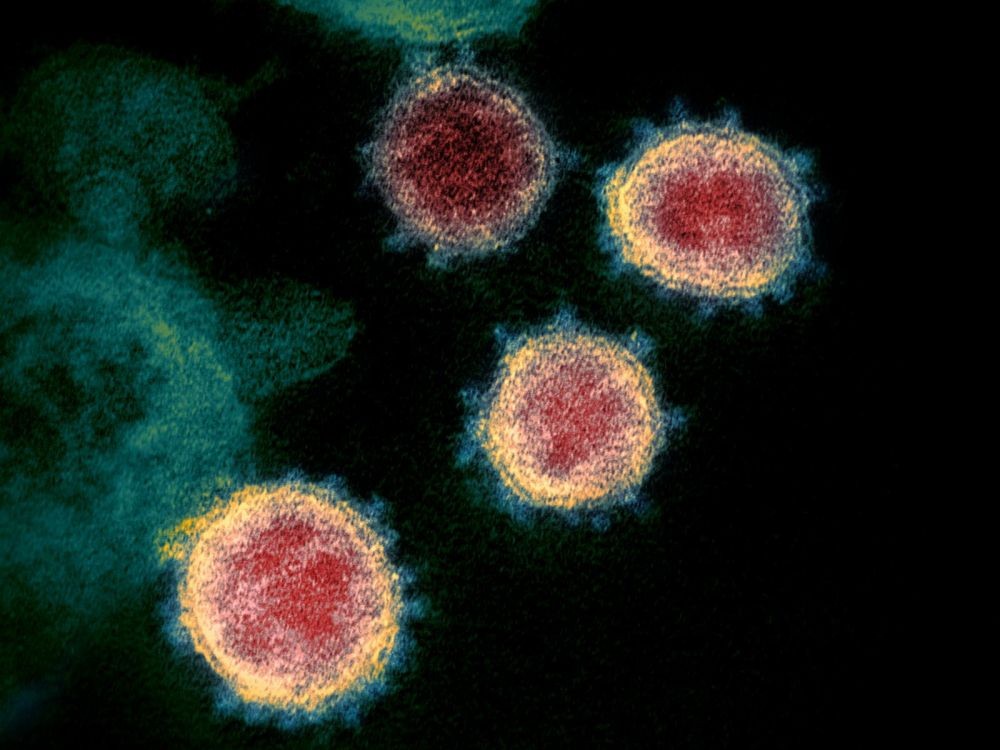
The COVID-19 pandemic has presented unprecedented challenges, leaving the World Health Organization (WHO) and governments adapting in real time. As of May 15, 2020, it had reached nearly 4.5 million cases and approximately 300,000 deaths—significant, yet surpassed by past pandemics like the Asian flu (1957-1958) or Hong Kong flu (1968-1970).
Uniquely, COVID-19 has prompted the WHO and nations like the United States to repeatedly revise guidance due to emerging symptoms. Early assumptions that children were unaffected were upended by pediatric fatalities. Global researchers emphasize that much about the virus remains unknown, leaving room for additional symptoms to surface.
